Gyali Kafene
A corner of the city associated with historical, social, and cultural memories and narratives.
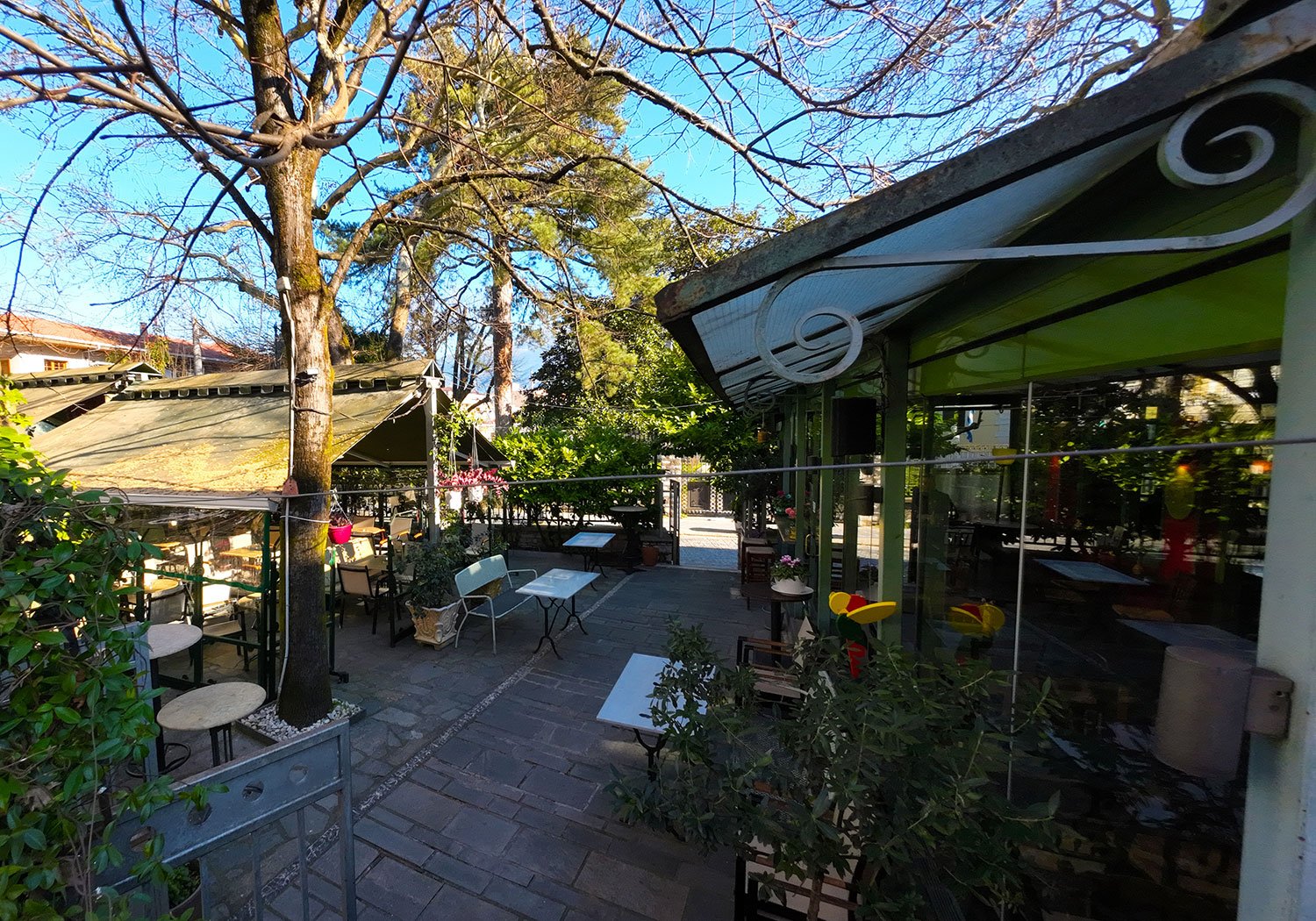
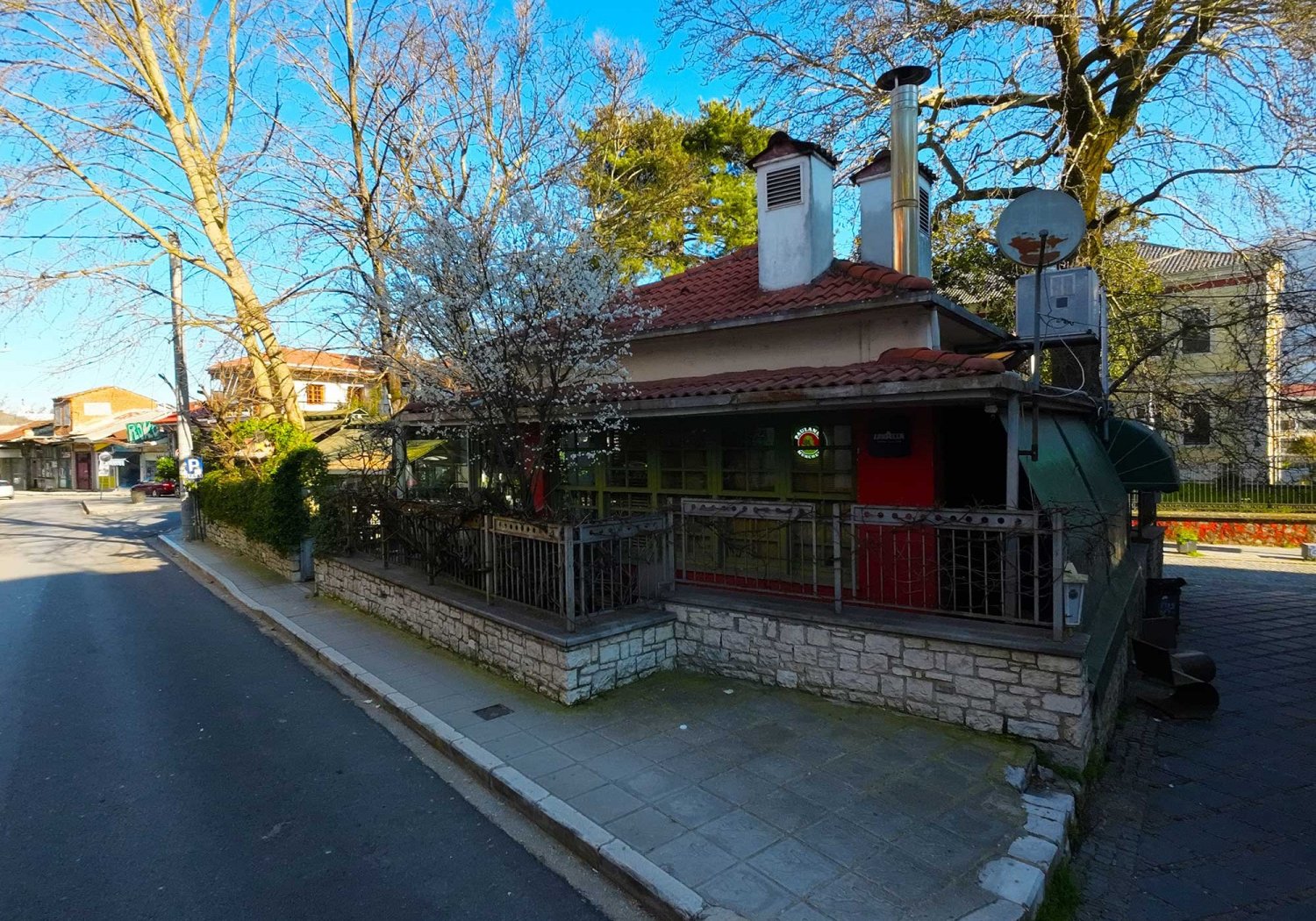
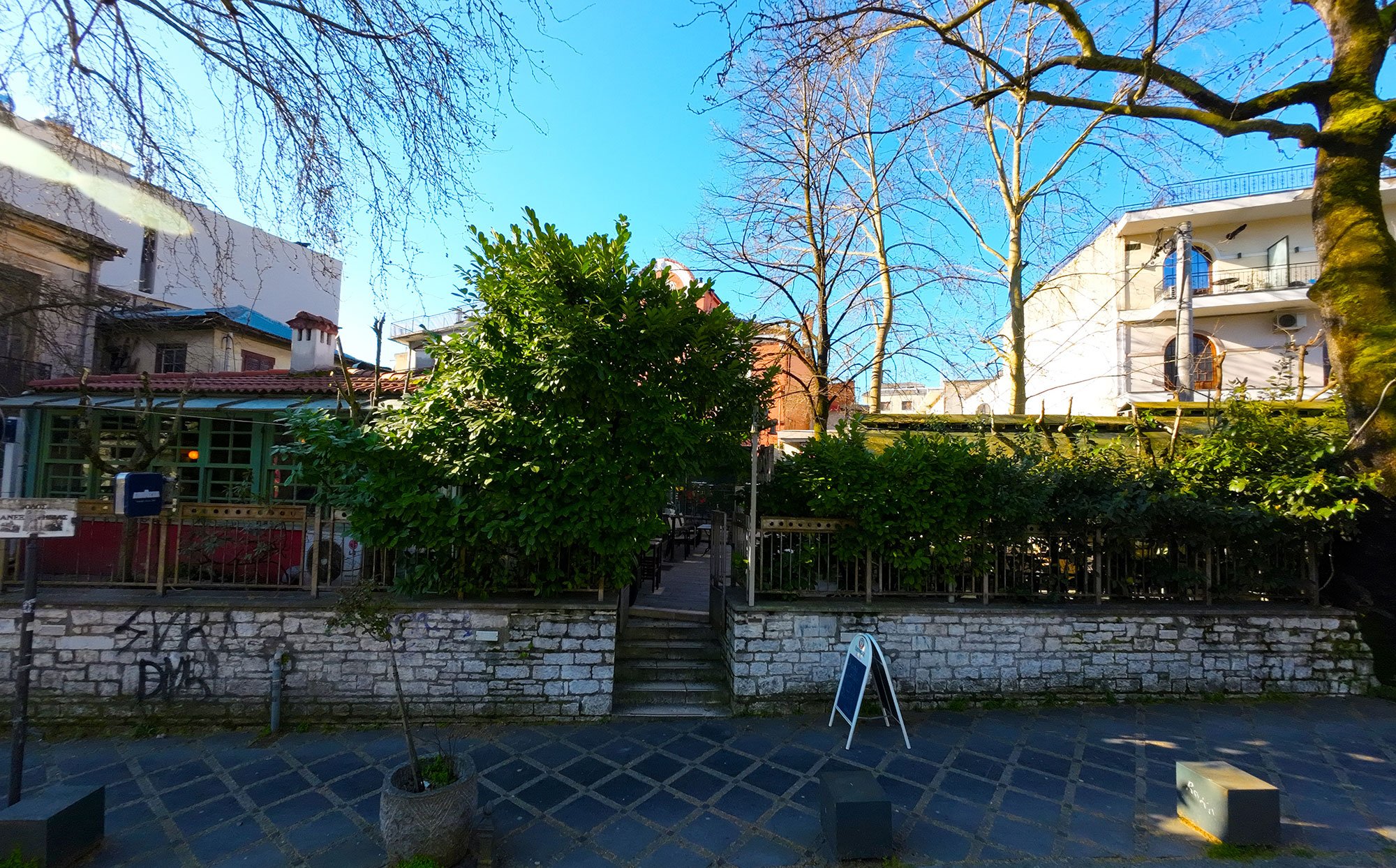
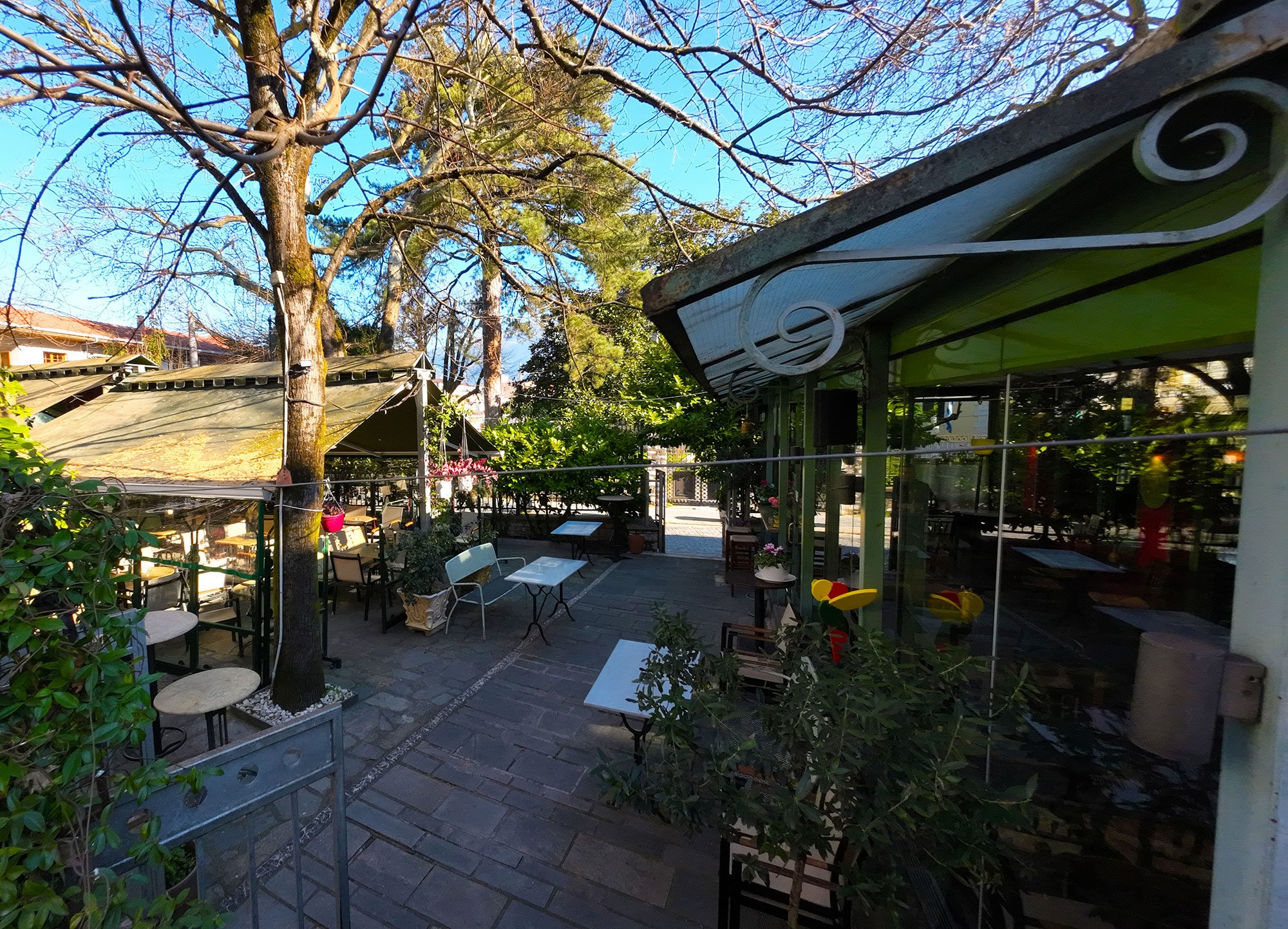
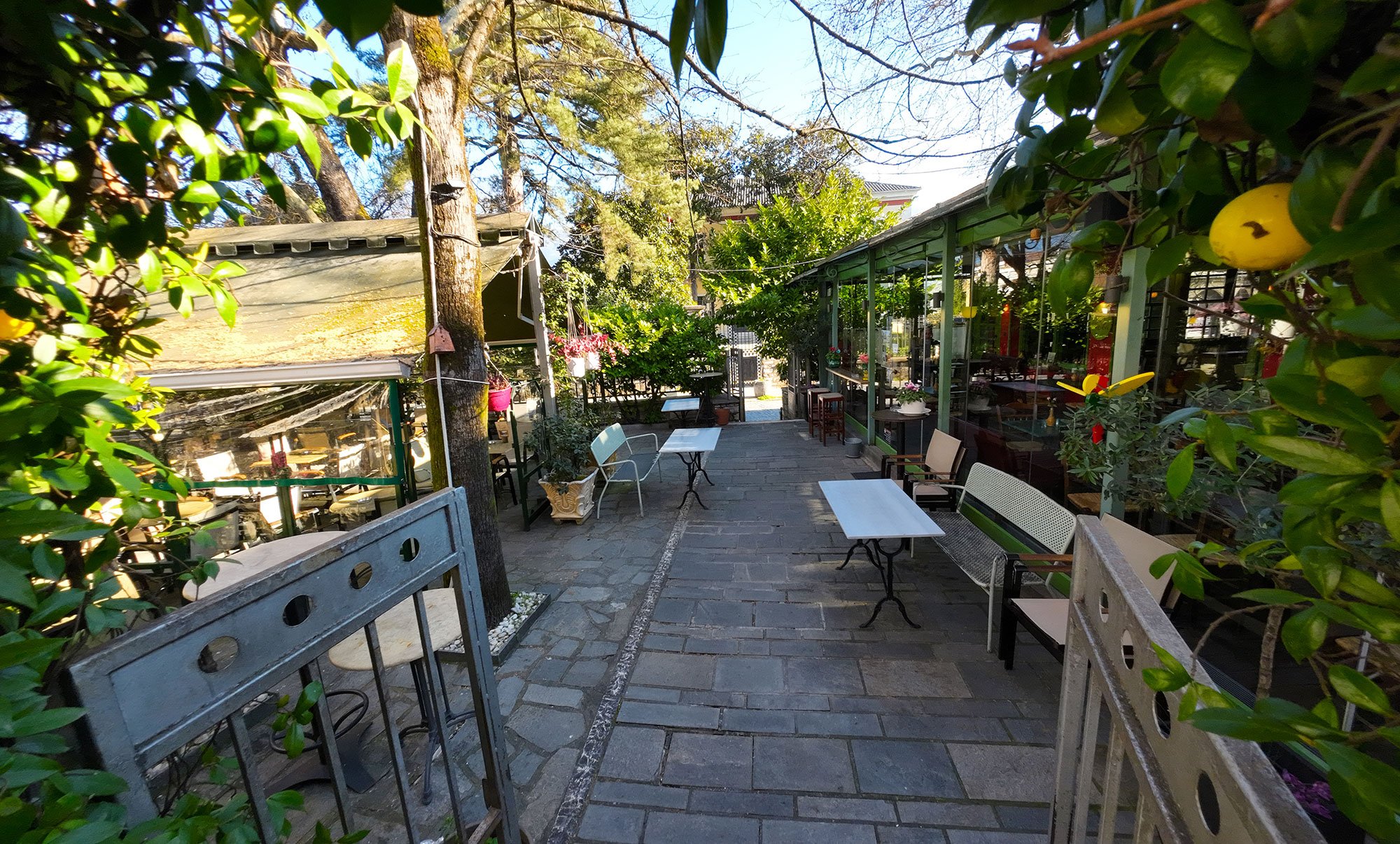
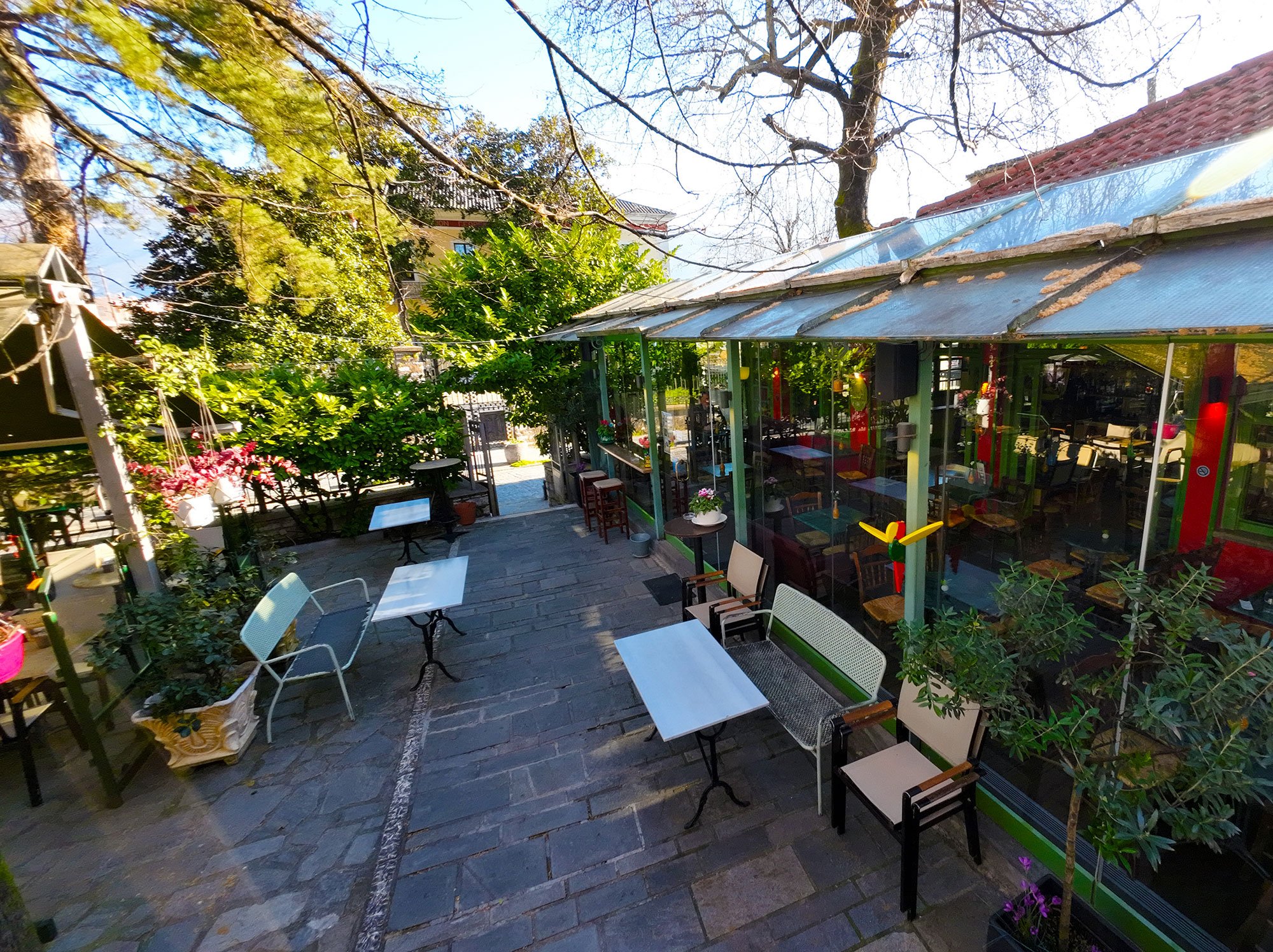
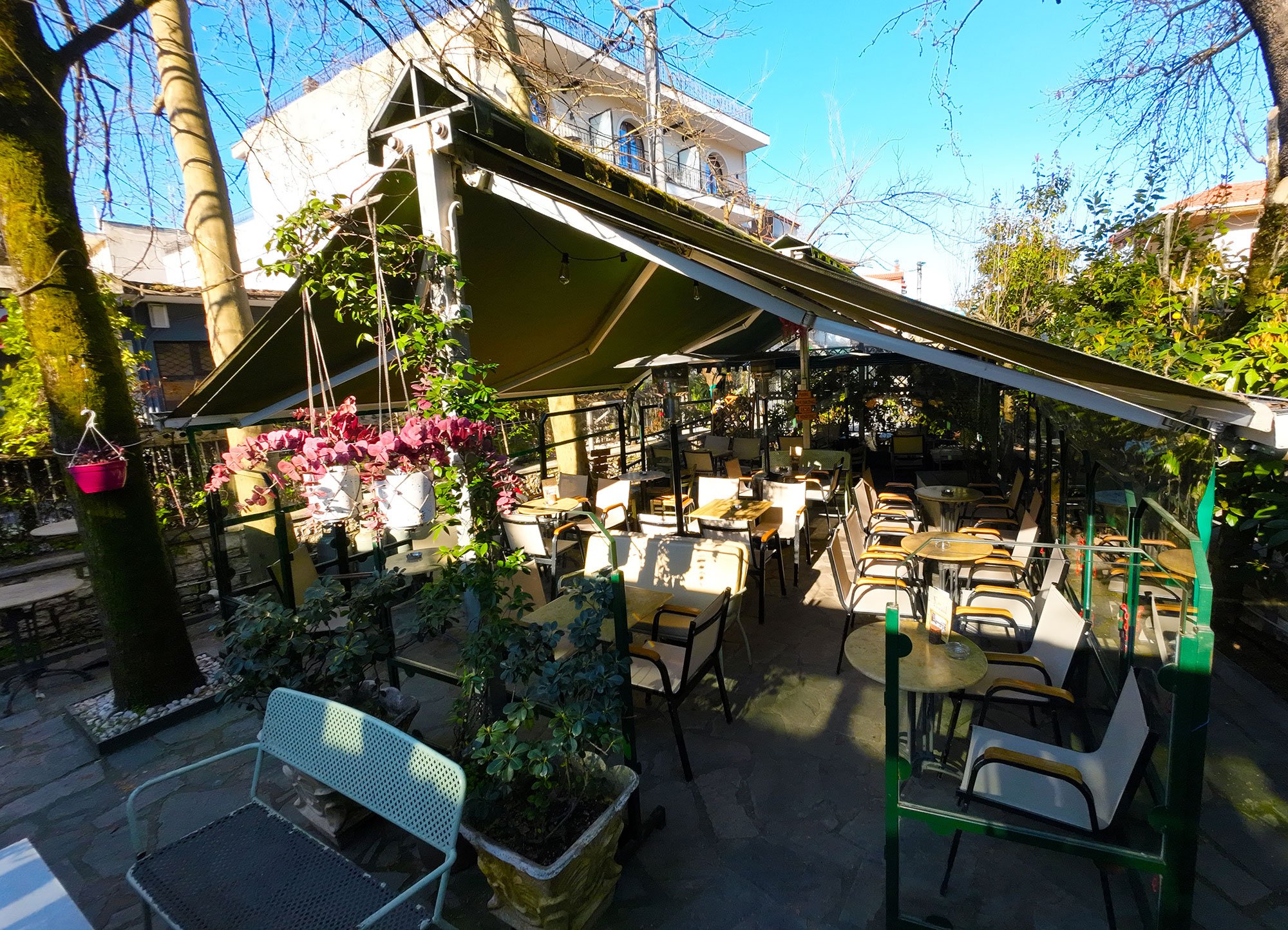
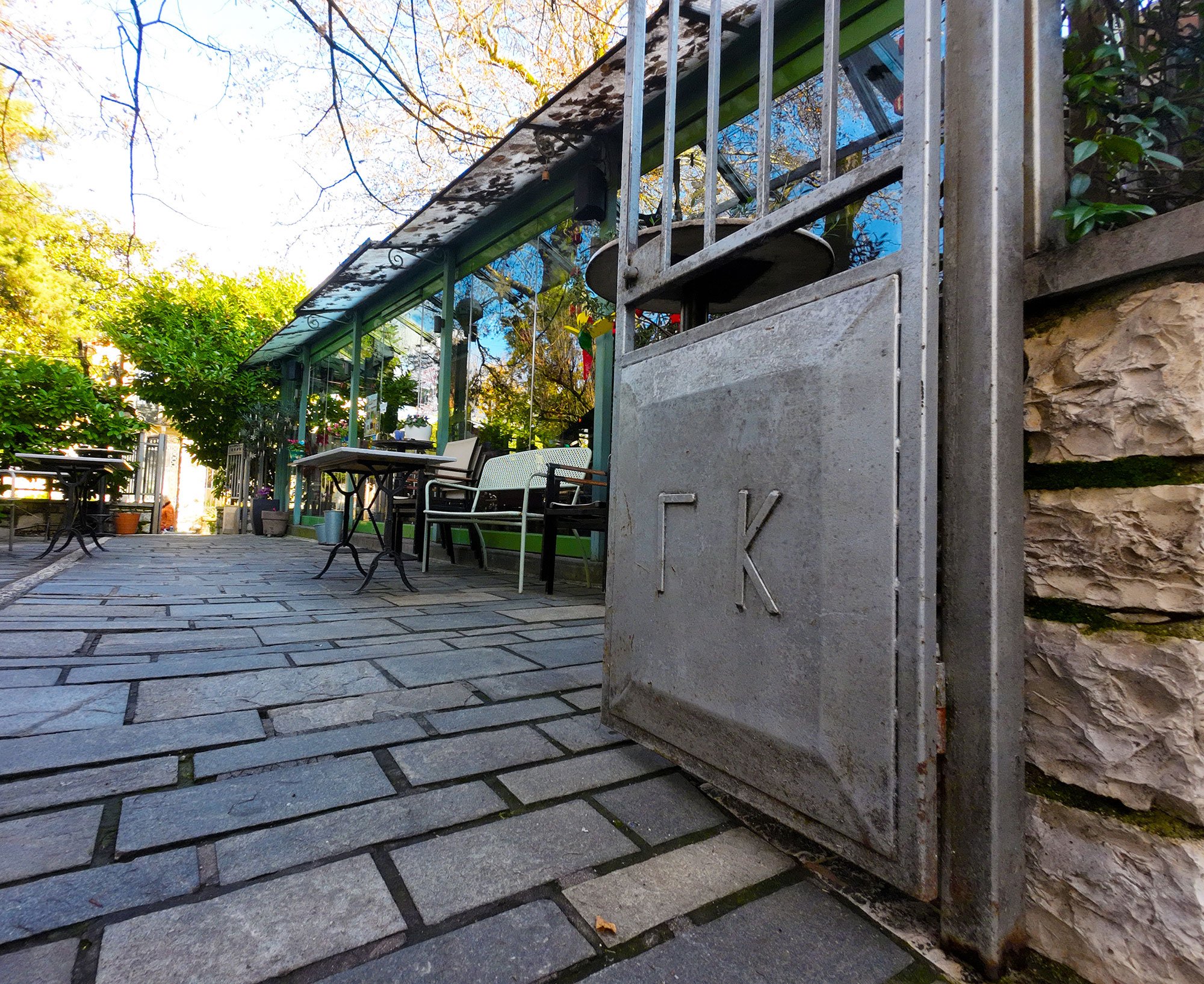
Τhe municipal property "Gyali Kafene" is located at the junction of Anexartisias and Zosimadon streets, in a small square called "Georgiou Stavrou Square". Anexartisias Street is the "heart" of the historic center of Ioannina.
| Location: | Ioannina City Center |
| Period: | Early 1920s |
| Use: | Traditional Cafe |
| Address: | Anexartisias & Zosimadon St., Ioannina |
As a toponym associated with the namesake cafe, “Gyali Kafene” appears in official documents from the early years following the liberation of Ioannina from the Ottomans in 1913. According to bibliographical references, that cafe was a wooden, glass-enclosed structure. Its exact date of construction remains unknown; however, in 1923, the Ioannina Municipal Council discussed potential repairs to the “Gyali Kafene” property.
The Ioannina-born chronicler and researcher Dimitris Salamangas proposed the theory that during the late Ottoman period, a "klouki" -a military post used to monitor citizens entering and leaving the city- stood in the area to monitor citizens entering and exiting the city, and that the cafe was later built on the site of this outpost.
During the 19th and early 20th centuries, this area was also known by other names: "Platanos" (Plane Tree) and "Stafylopazaro" (Grape Market). It was called "Stafylopazaro" because producers would gather their harvest in the small square during the grape-picking season for pressing.
The name “Platanos” originated from the large plane tree that once stood at that location.
Michali’s Canal” (Tou Michali t’ Avlaki)
Directly across from the small square of “Gyali Kafene” stands the listed building of Georgios Stavrou. On this site once stood a mansion belonging to Stavros Ioannou, a financial advisor to Ali Pasha. The mansion, which burned down in 1820, bordered a canal of Lake Pamvotis. This canal was known as “Michali’s Canal” (Tou Michali t’ Avlaki) for reasons unknown.
This historical proximity to the water element has led to a re-examination of the correct spelling of “Gyali Kafene.” Some suggest it should be written as “Giali Kafene” (with an ‘i’), derived from a word “gialos” which means “seashore/waterfront” rather than “gyali” (glass). Nevertheless, the spelling “Gyali Kafene”—referring to glass—has prevailed.
The glass-enclosed “Gyali Kafene,” described by Dimitris Salamangas as the “cafe with all its sides made of glass partitions,” was destroyed by fire in 1930. Immediately after, the Municipality went ahead with the construction of a new building.
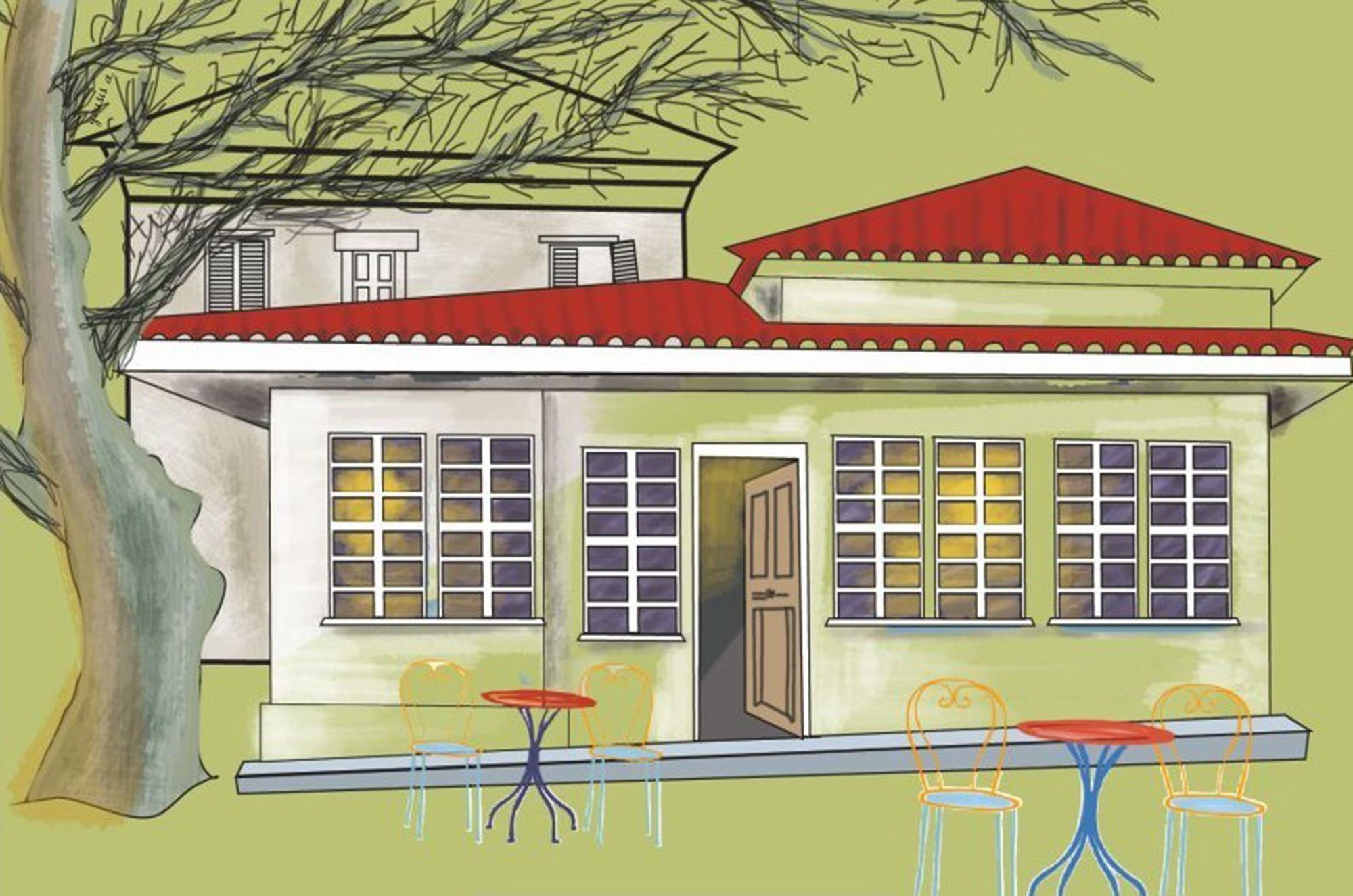
The current “Gyali Kafene” appears to be the third building on this site. It was constructed by the Municipality of Ioannina in the 1970s, based on a study conducted by the municipal technical services.
However, there was an alternative plan that din not go ahead.
Τhe Plan That Did Not Go Ahead
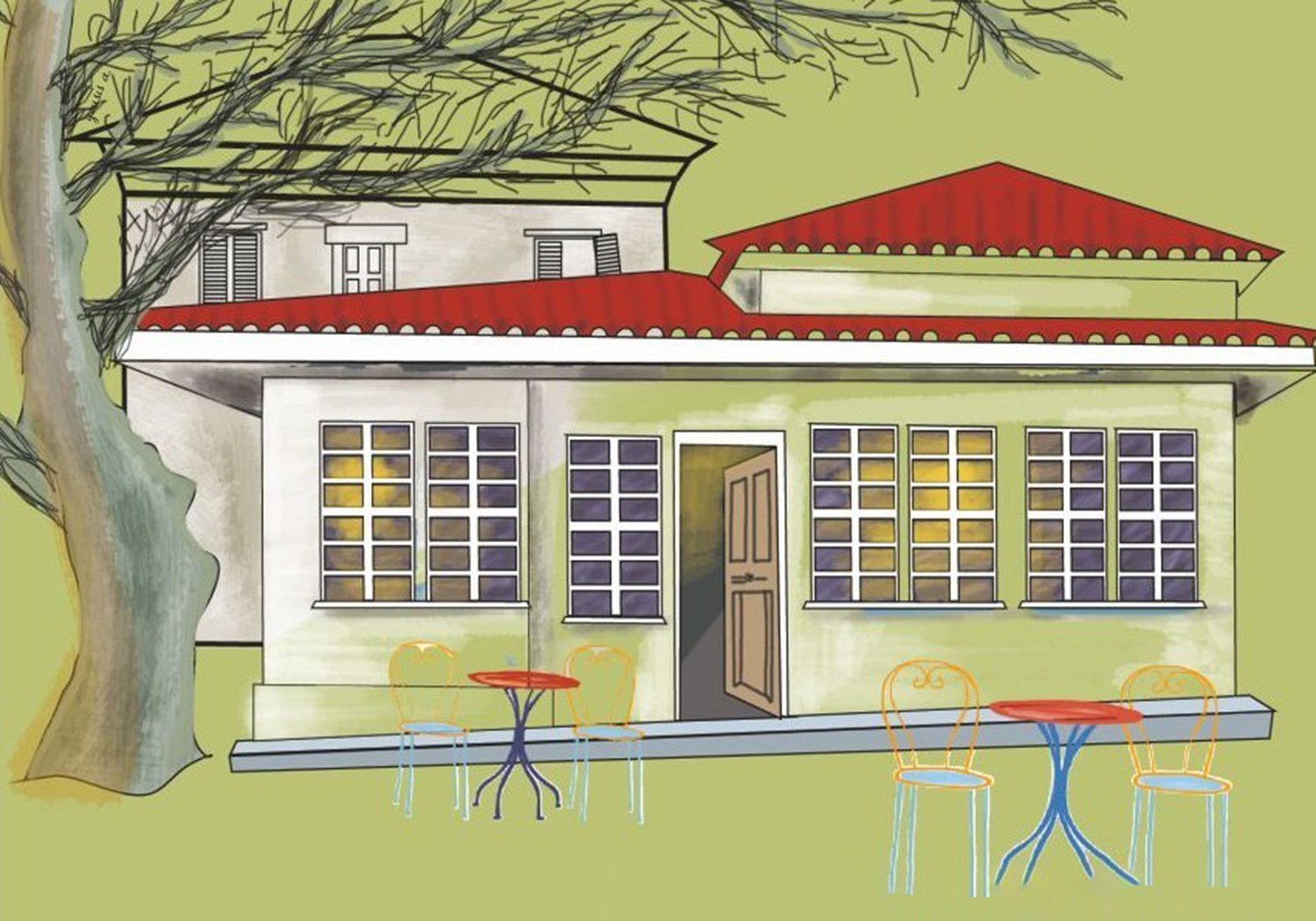
In 1971, during the dictatorship and under the initiative of the appointed mayor Spyros Filippou, the Ioannina Municipal Council decided to commission the study for the construction of the new “Gyali Kafene” to Aris Konstantinidis (1913-1993). This prominent architect had already left his mark with the Ioannina Archaeological Museum building and was designing the “Oasis” restaurant-café in the central square during that same period.
Konstantinidis completed the designs for the cafe, but the next step was never taken. As the architect himself noted in his book ‘Experiences and Incidents’: “In a small square in Ioannina, which the Municipality had again commissioned me to study… my relevant designs were not approved, and thus it was never built.”
In its more recent history, “Gyali Kafene” served for many decades as a meeting place for instrumentalists and musicians. It was there that deals were struck for traditional festivals (panigiria), weddings, and other musical events. It was also a gathering spot for people from various villages, as the cafe was located just a few meters from the intercity bus station, which was housed on Zosimadon Street until 2009.
Today, “Gyali Kafene” continues to be a part of Ioannina’s identity. The building and its courtyard, managed by the City of Ioannina’s Development Company for Assets (DIANETAI), is operated by a private tenant as a musical cafe, serving as a point of reference for both locals and visitors.
Audio file
Building history
Gallery
 Gyali Kafene
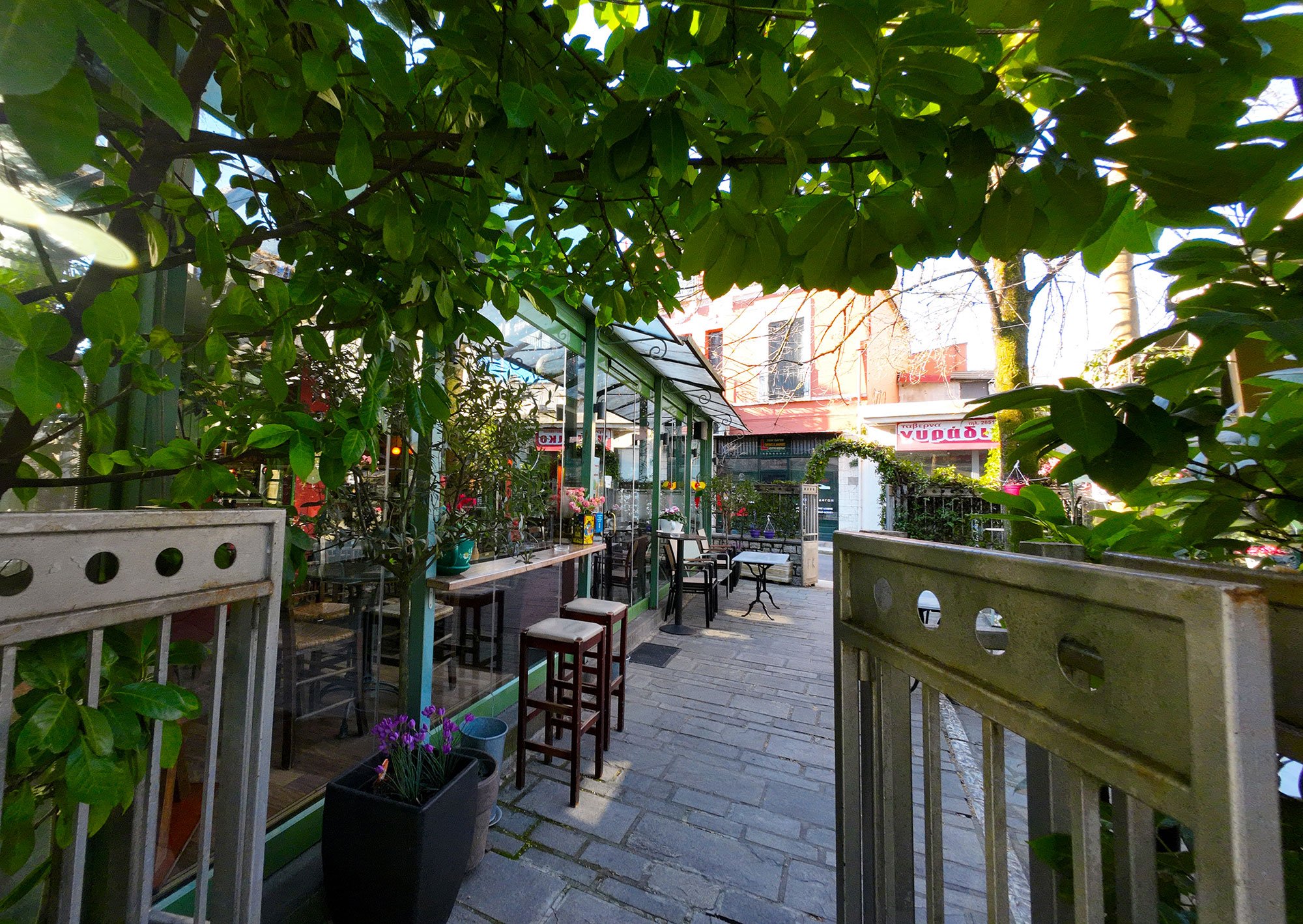 Gyali Kafene
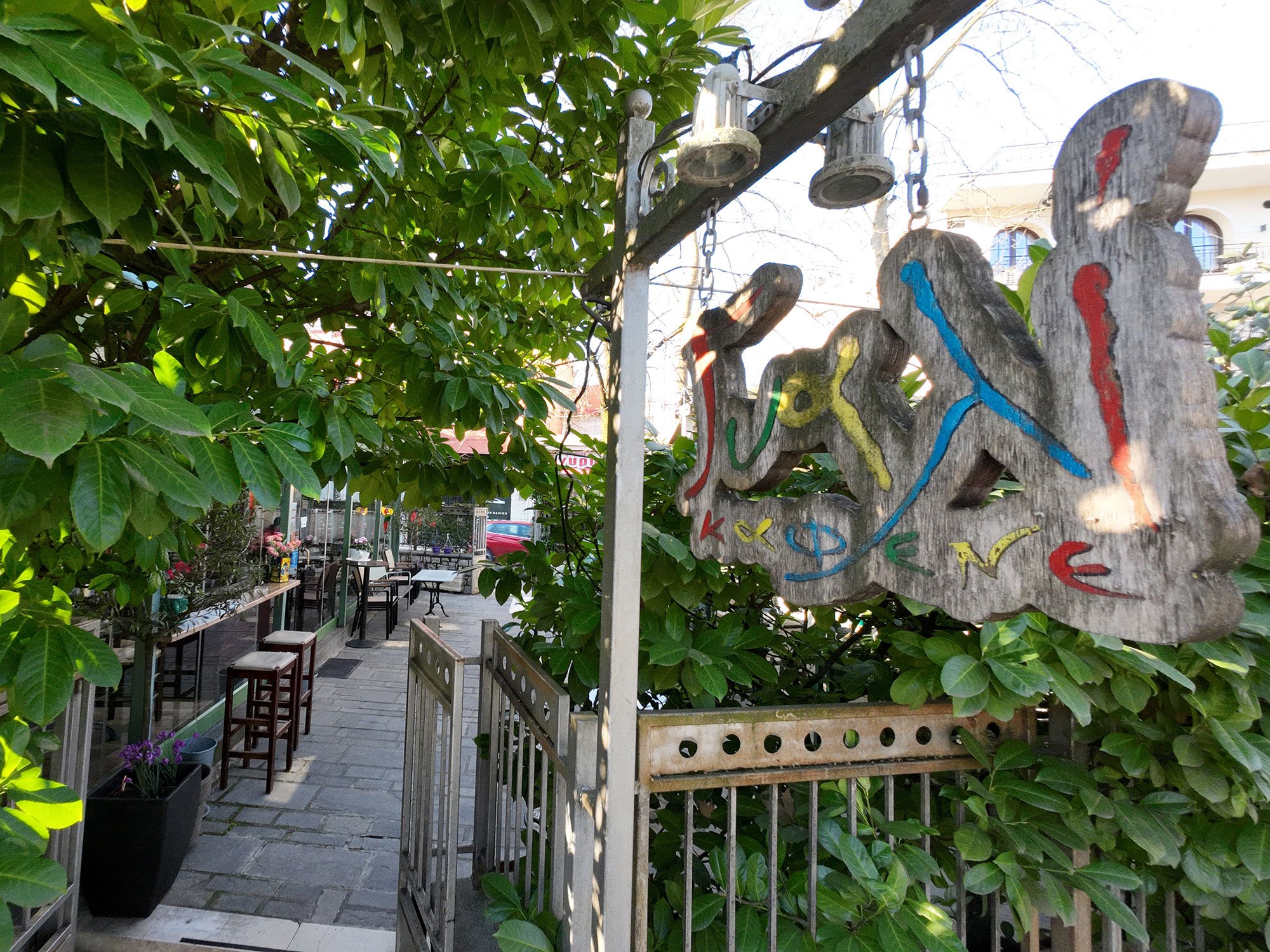 Gyali Kafene
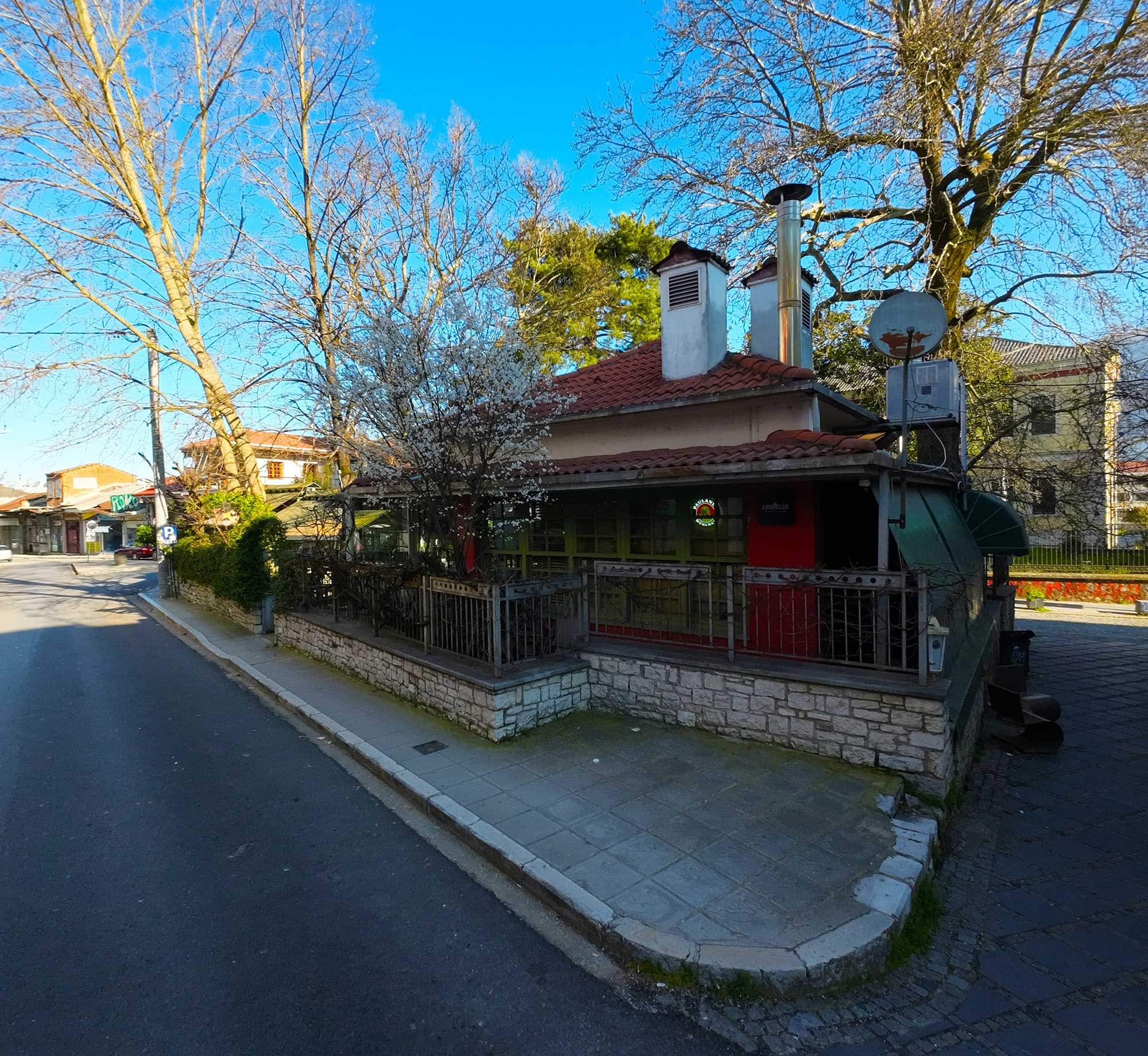 Gyali Kafene
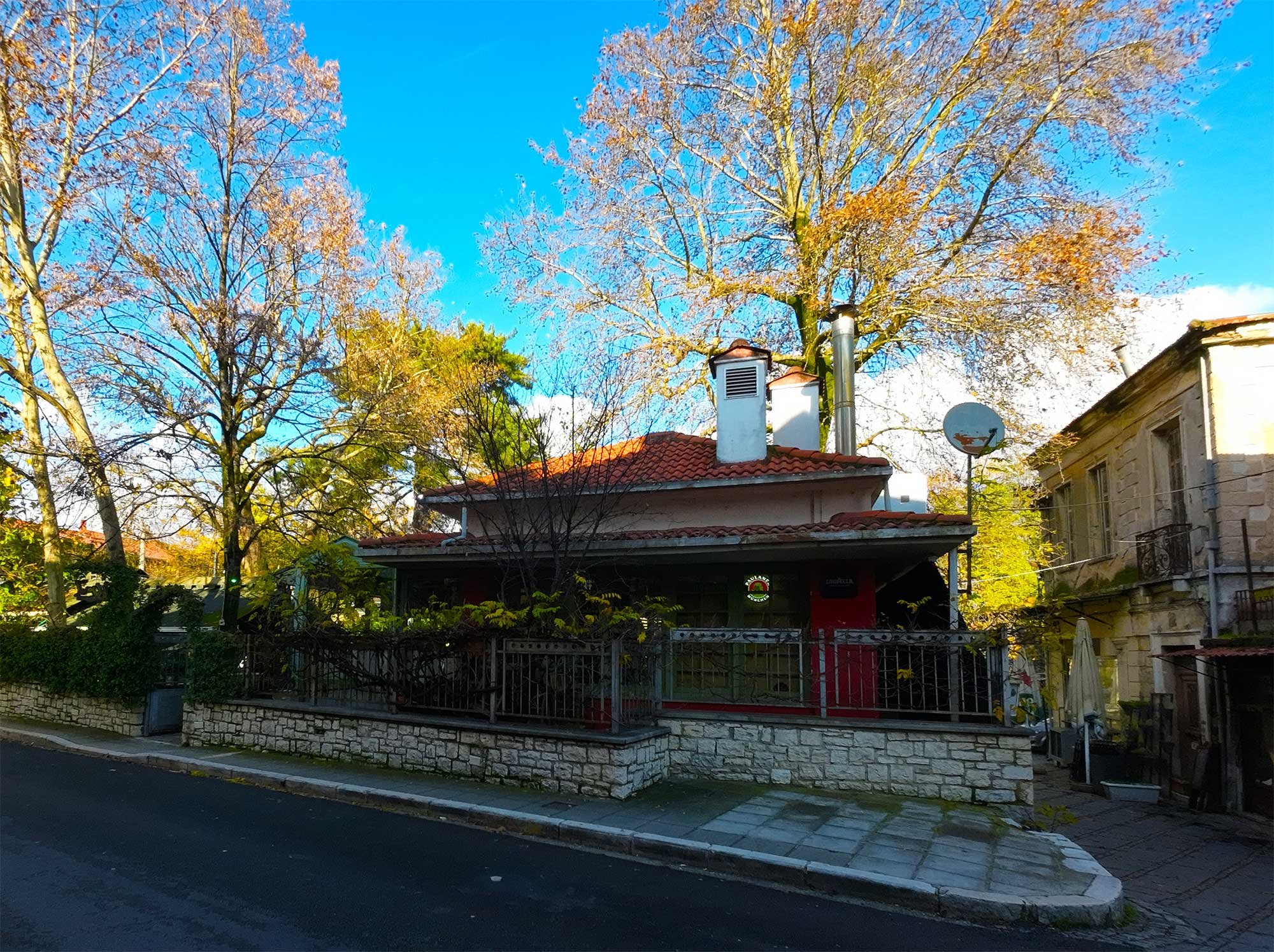 Gyali Kafene
 Gyali Kafene
 Gyali Kafene
 Gyali Kafene
 Gyali Kafene
 Gyali Kafene
 Gyali Kafene