Kyra Frosyni
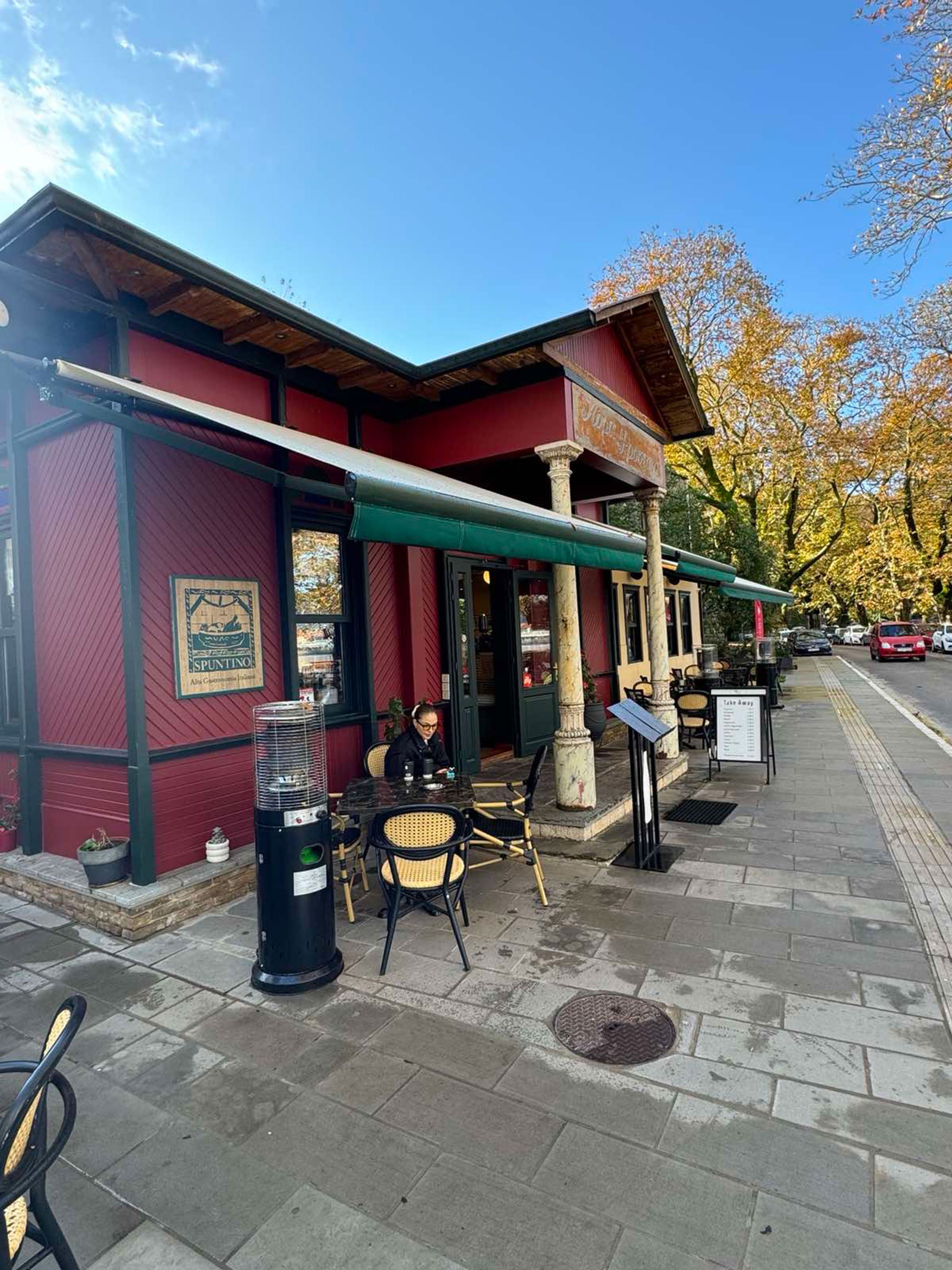
“Kyra Frosyni”, by the lakeside, with a long journey through time, is a point of interest for the city of Ioannina.
Its name is linked to one of the most famous legends of Ioannina, keeping the memory and cultural heritage of the region alive.
| Location: | Ioannina lakefront |
| Period: | Early 1920s |
| Use: | Cafe - Restaurant |
| Address: | 6 Dionisiou Filosofou St., Ioannina |
“Kyra Frosyni” is a place for social gathering as well as an important landmark connected to a significant chapter in the history of Ioannina—the drowning of Efrosyni Vasileiou.
In the early 19th century, Ali Pasha ordered this woman, along with 16 (or 17) others, to be drowned in the waters of Lake Pamvotis—a woman who would forever be remembered as “Kyra Frosyni.”
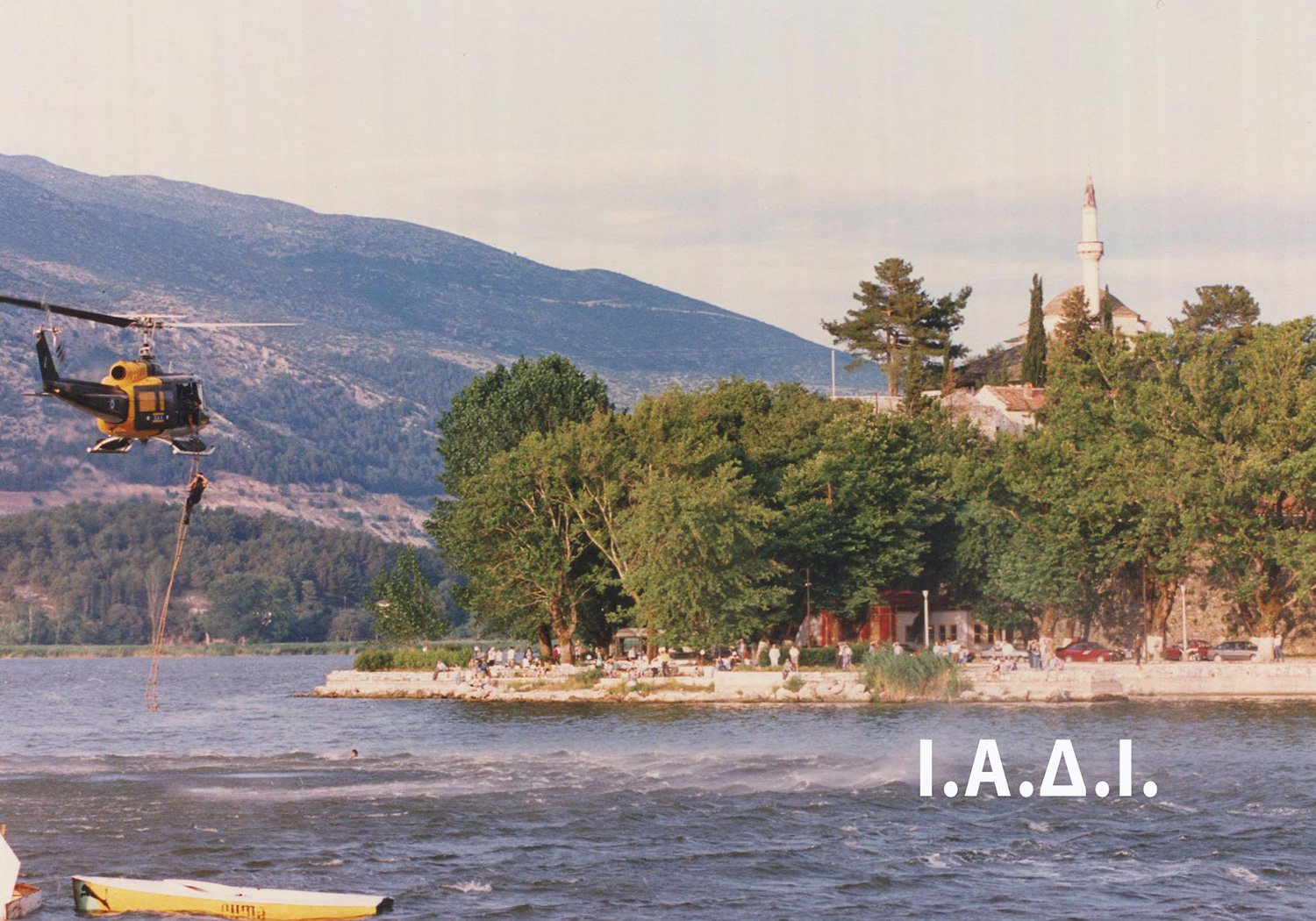
The municipal lakefront cafe “Kyra Frosyni,” situated next to the outer walls of the Castle, appears to have begun its operation in the early 1920s -according to all available evidence.
A newspaper article, in May 1921, mentions a project for the construction of a new municipal cafe by the lake. The Municipality of Ioannina scheduled the start of construction immediately after the approval of the architectural plans by the competent authorities. These plans were drafted by the municipal engineer, Periklis Melirrytos. In all likelihood, this project refers to “Kyra Frosyni.”
The Bazaar Fountain
The first reference to a decision by the Ioannina Municipal Council regarding the “Kyra Frosyni” cafe is traced, so far, to 1923. At the request of the café’s tenant, the Municipal Council—after an inspection by the municipal engineer—decided to allocate 900 drachmas for repairs to the property.
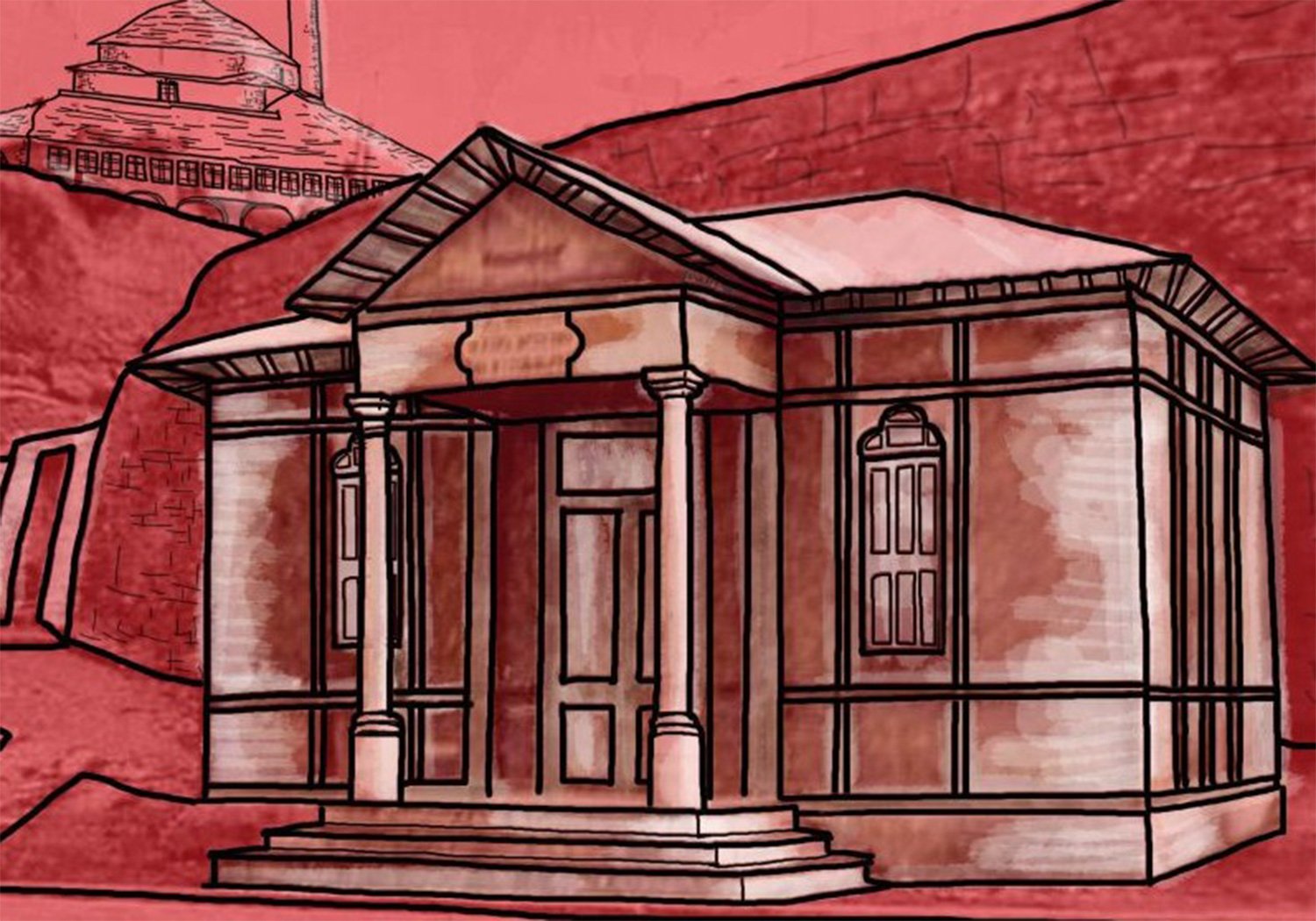
It is said that materials from the Bazaar Fountain, a public Ottoman fountain once located at the beginning of Anexartisias Street, were used for the construction of the municipal cafe. The roof of this fountain, built in 1879, was supported by four columns.
According to bibliographic references, two of these columns originated from the destroyed Ottoman administrative building in Its Kale. Following the destruction of the Bazaar Fountain, the two columns were “used much later in the porch of the lakefront cafe ‘Kyra Frosyni.’ One is still there,” as noted in a 1955 text. To this day, the "antiquity" of the column has not been scientifically confirmed.
The Lakefront Road
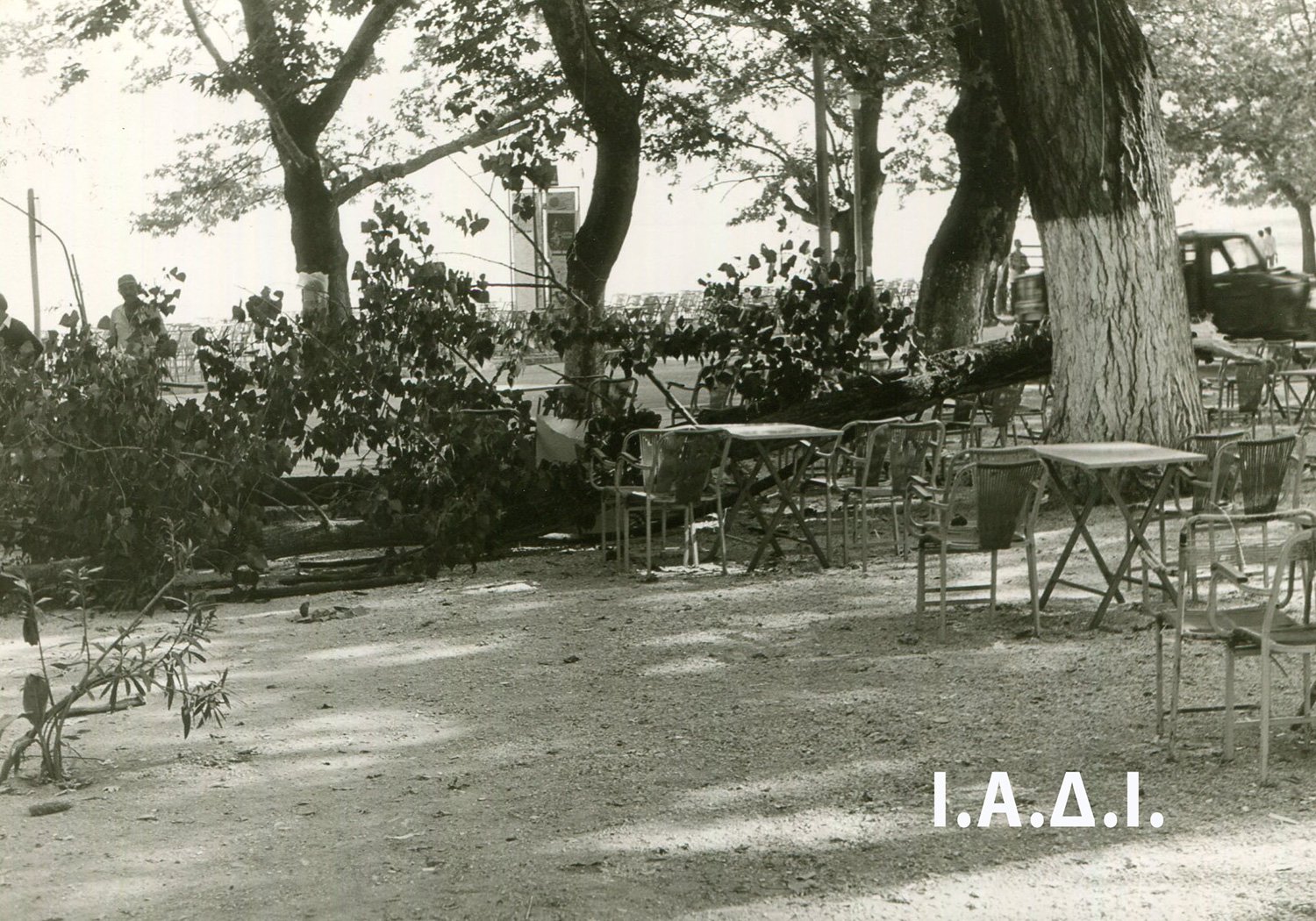
A decisive factor in the operation of the “Kyra Frosyni” cafe was the completion of the works for the embankment in the lakeside zone and the overall development of the lakefront road and the quay.
At last, that ruined Molos (pier) has taken on the appearance of a well-kept quay. Both the forewall and the peripheral road around the Castle have become an ornament,” reported the press of that era. A few years later, the lakeside unpaved road was made accessible to carriages and named “Dionysiou Filosofou” Street—in honor of the cleric executed by the Ottomans following the failed revolution of 1611.
The site where the cafe was built had been accessible, however, at least since the early years of Ioannina's liberation from the Ottomans (1913). Furthermore, the area was already known as “Kyra Frosyni,” with the cafe subsequently adopting the name.
The scholar Giannis Nikolaidis (1917-1997) recorded the toponym “Kyra Frosyni” in 1914, referring to the Epiphany celebrations. “Continuous rain, a deluge, wind that left nothing standing, fought with mania to uproot the platform they had set up in the lake, near Kyra Frosyni, for the Bishop to cast the Cross and sanctify the waters,” he mentioned in his study of Ιnterwar Ioannina.
As a cafe, “Kyra Frosyni” left its mark on the city's social memory. It served as a main place of entertainment spot for the locals, especially during the summers—a destination for Sunday outings and more. After World War II, the then-tenant of the cafe-snack bar occasionally operated a dance floor on the quay area.
Over the decades, “Kyra Frosyni” adapted to the demands of each era.
Today, “Kyra Frosyni,” managed by the City of Ioannina’s Development Company for Assets (DIANETAI), is operated by a private tenant as a cafe-bar and restaurant. Its location—right by the lake—remains a powerful asset of this property.
Audio file
Building history
Gallery
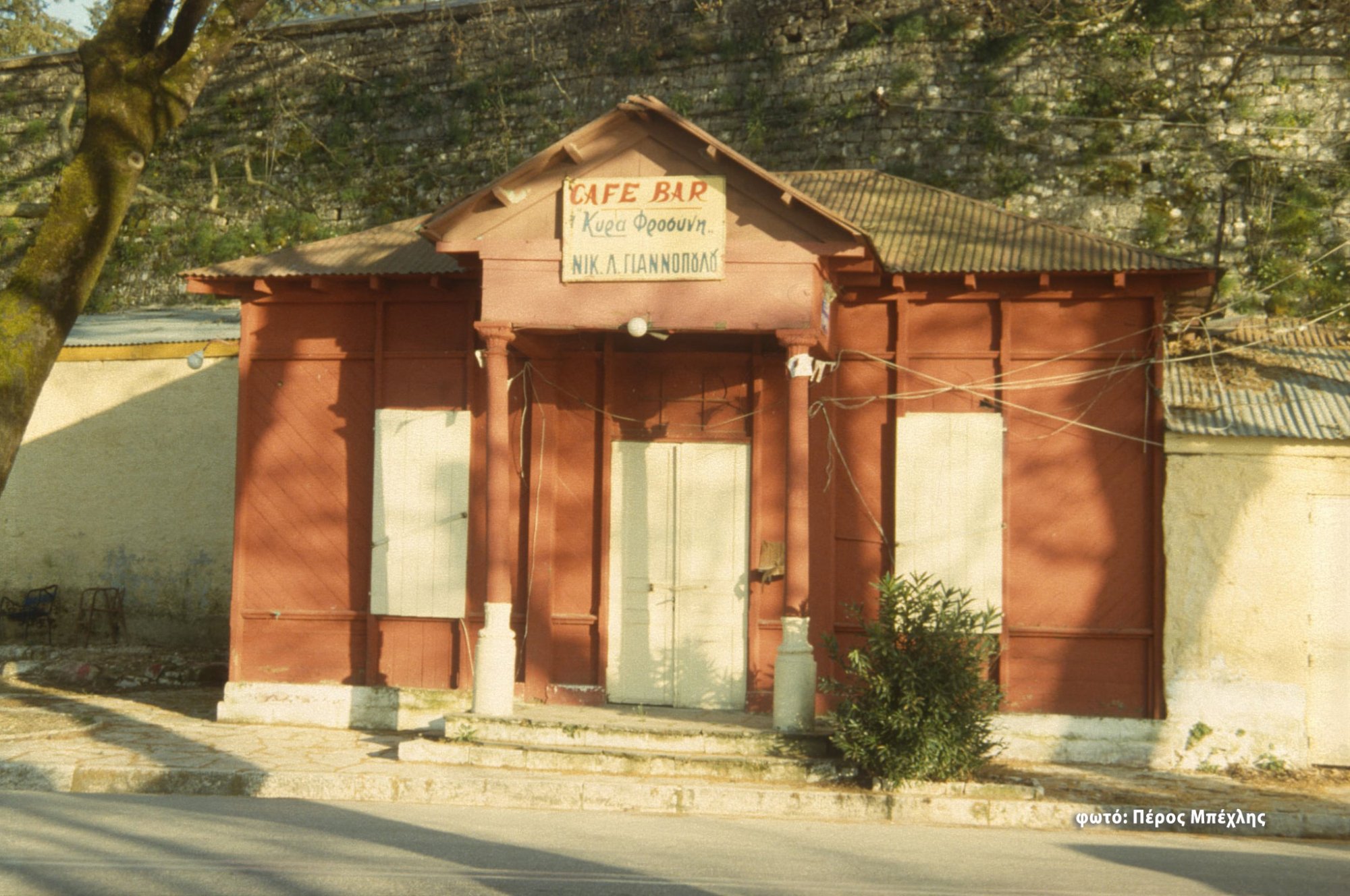 The "Kyra Frosyni" building in the 1980s (Photo: Peros Bechlis)
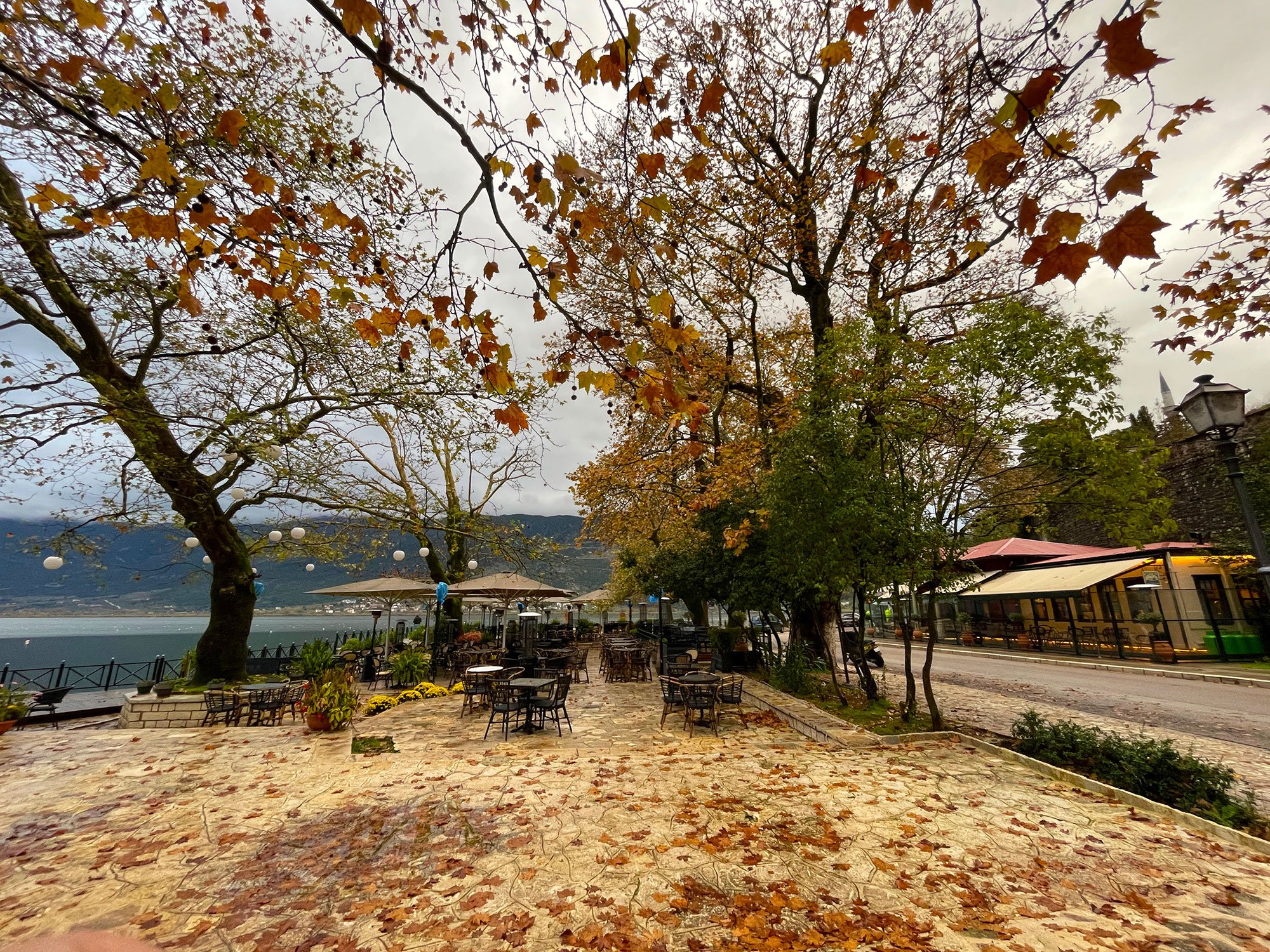 An autumnal view of "Kyra Frosyni"
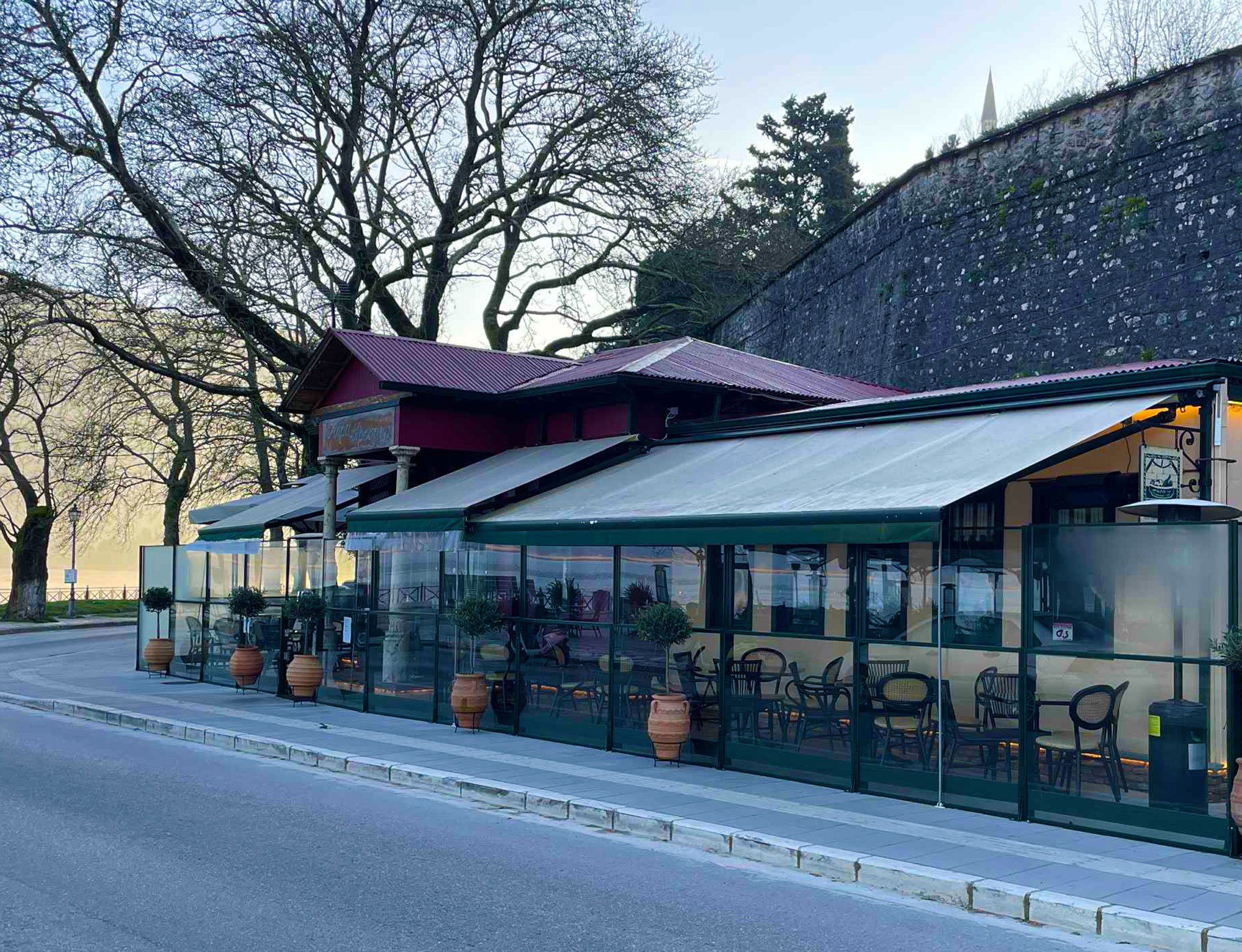 Kyra Frosyni
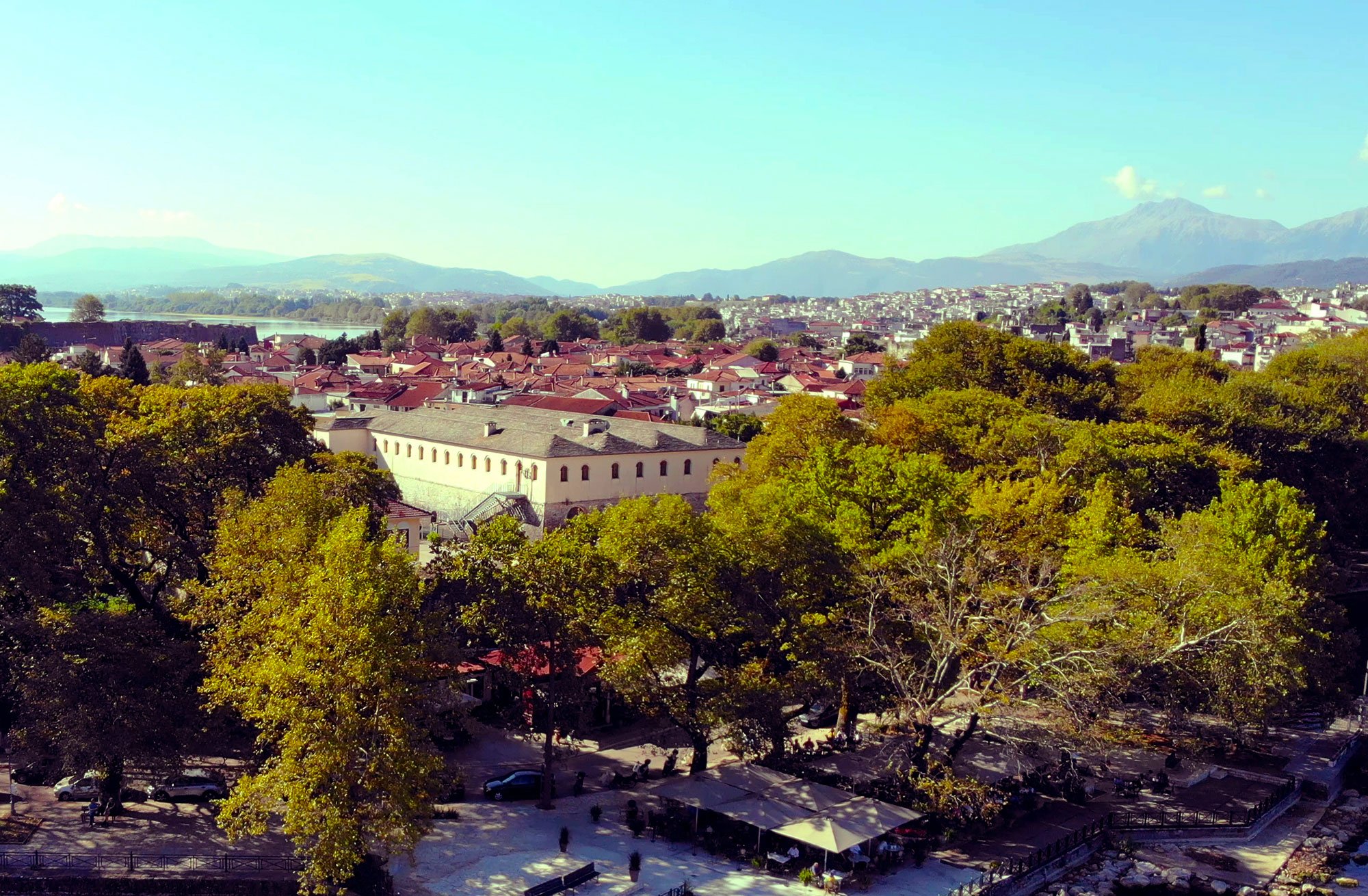 Aerial view of the Castle and "Kyra Frosyni"
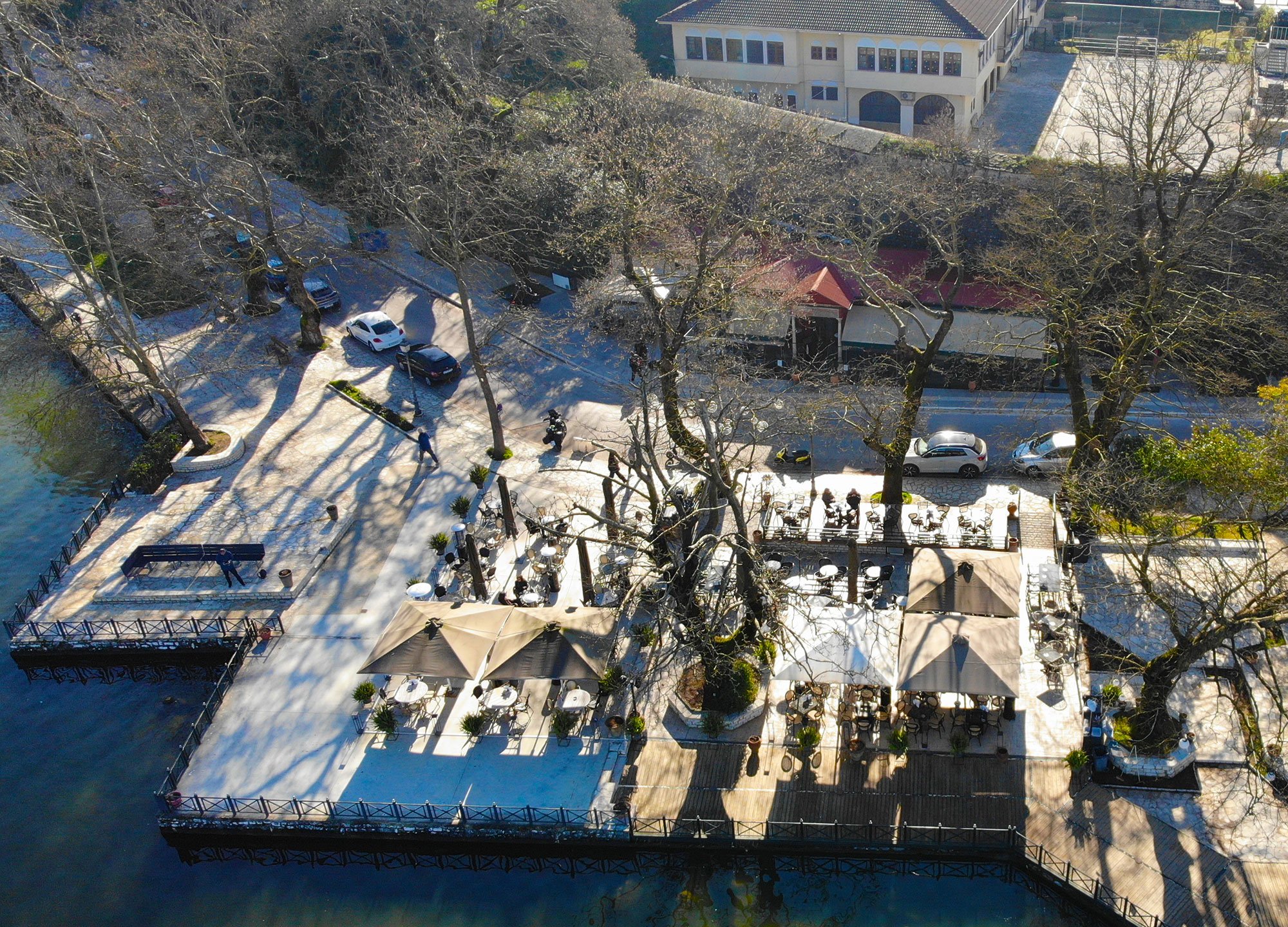 An aerial view of "Kyra Frosyni"
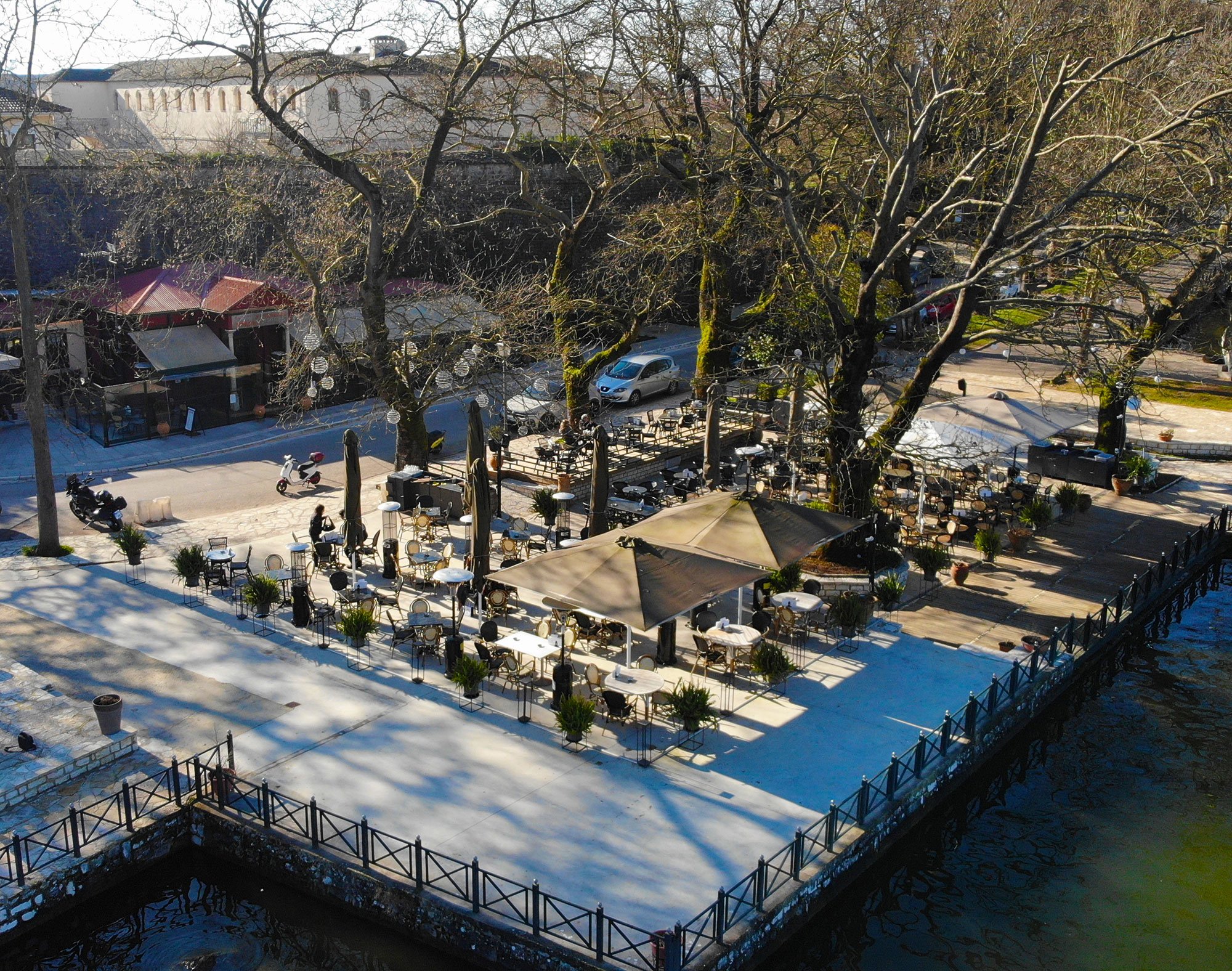 An aerial view of "Kyra Frosyni"
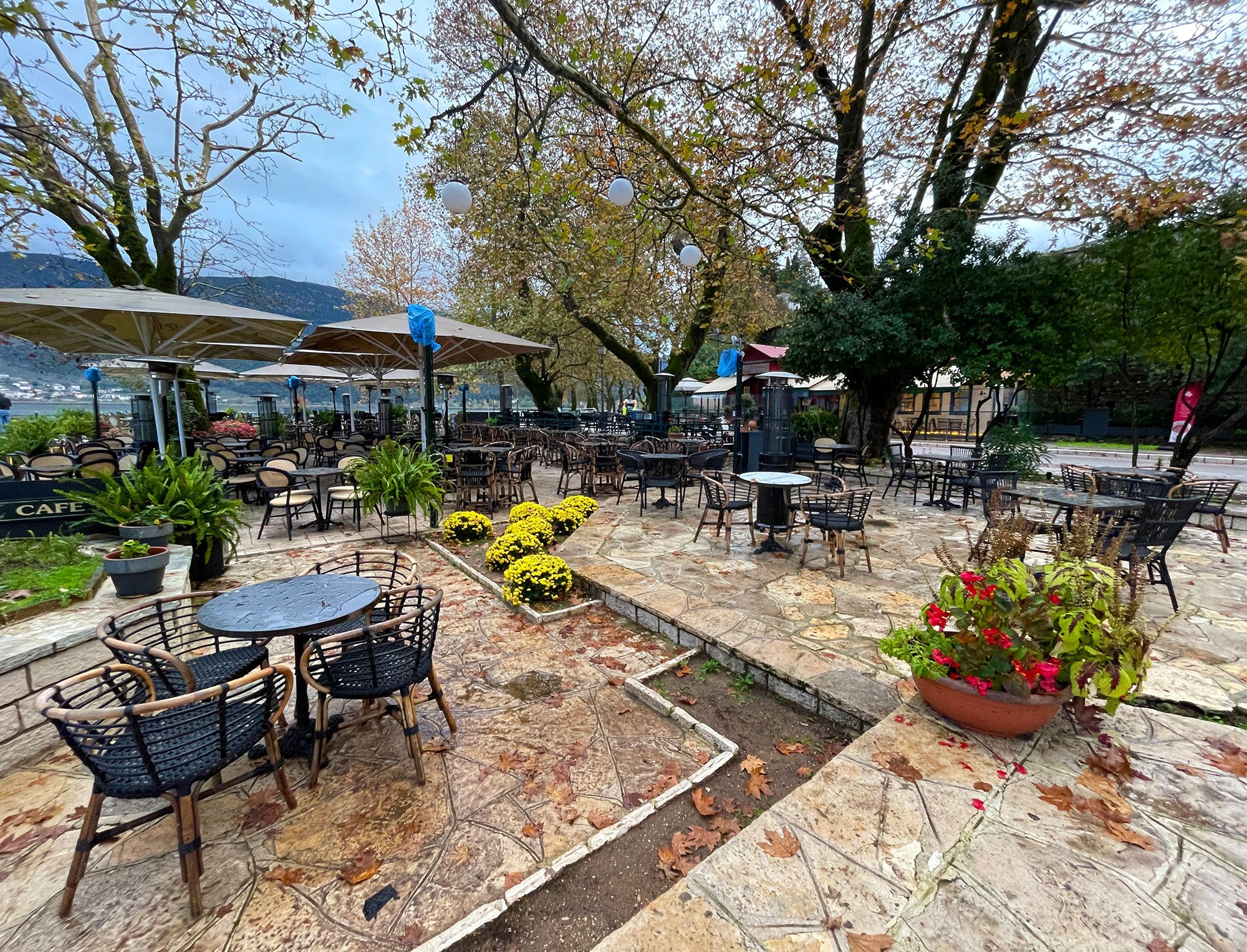 An autumnal view of "Kyra Frosyni"
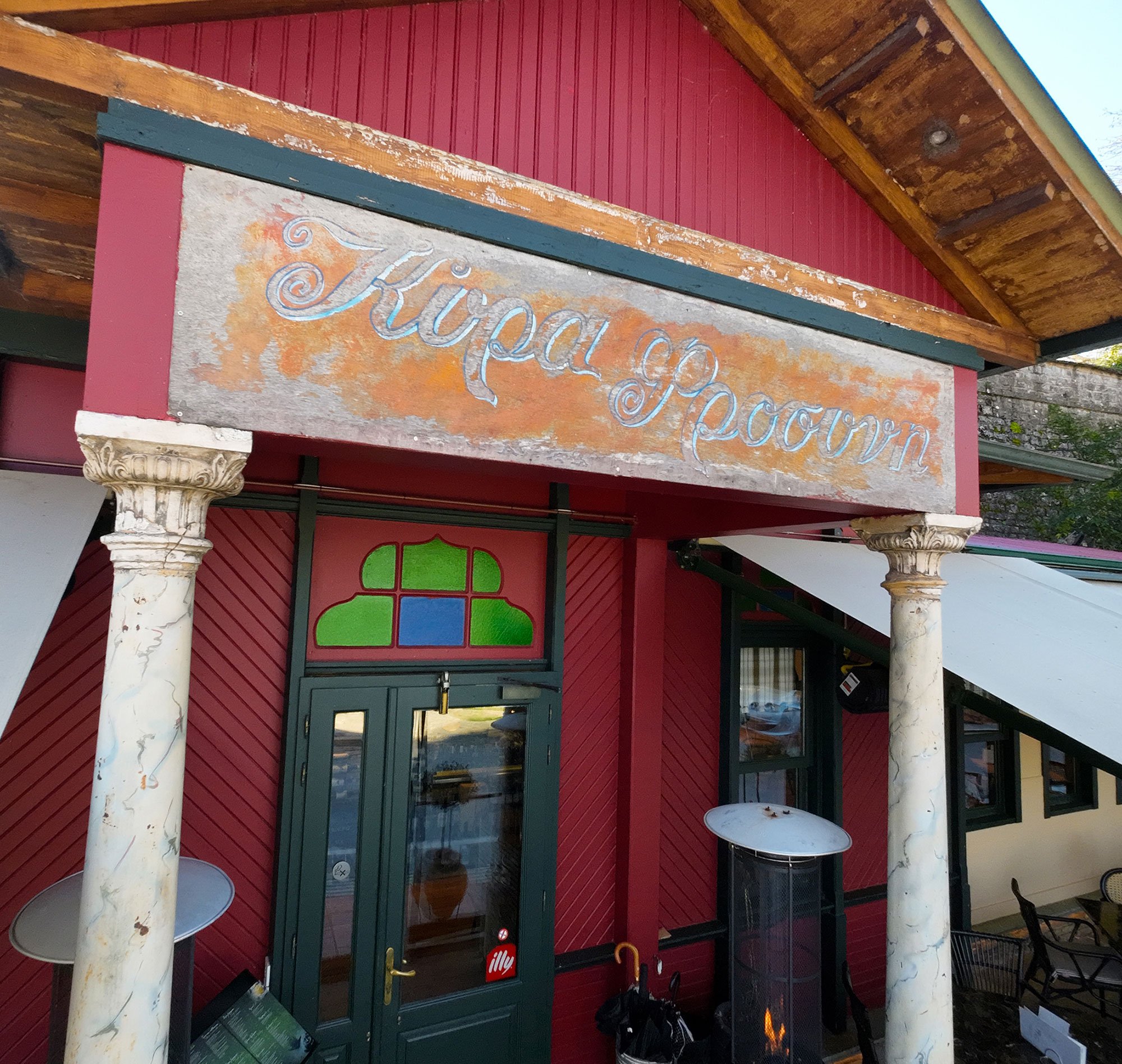 Kyra Frosyni
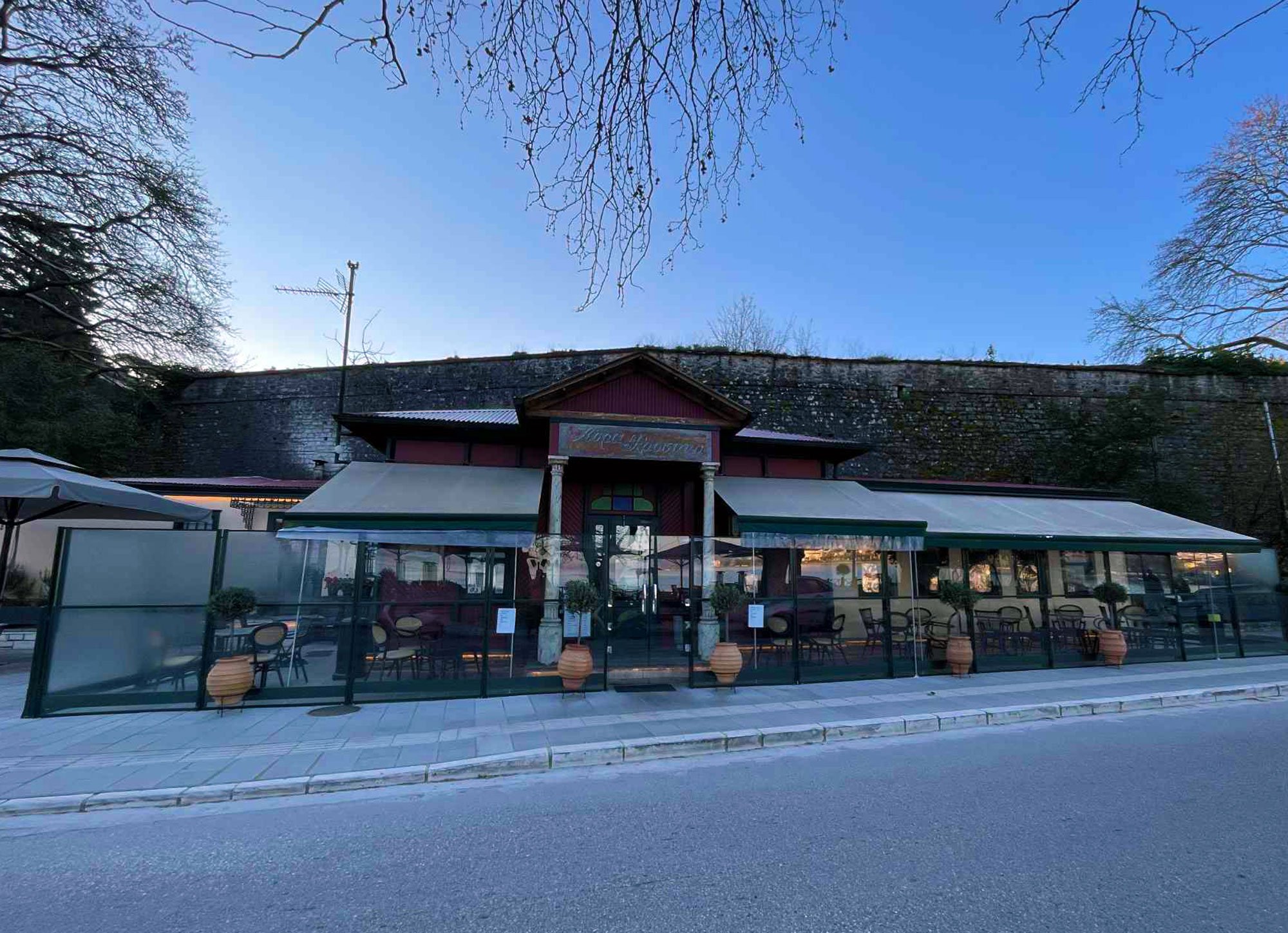 The facade of the historic cafe today
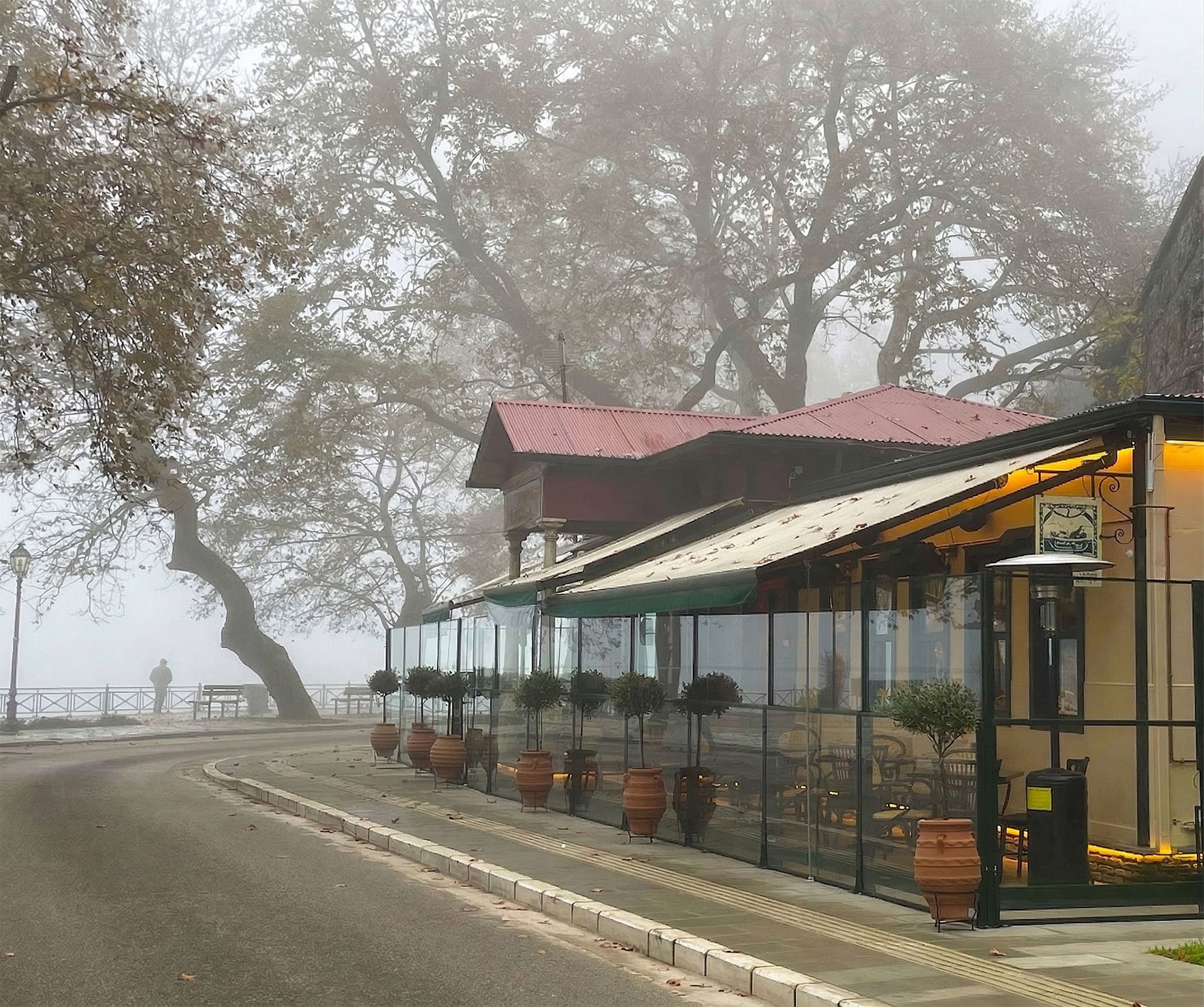 Morning mist at the historic Kyra-Frosyni cafe
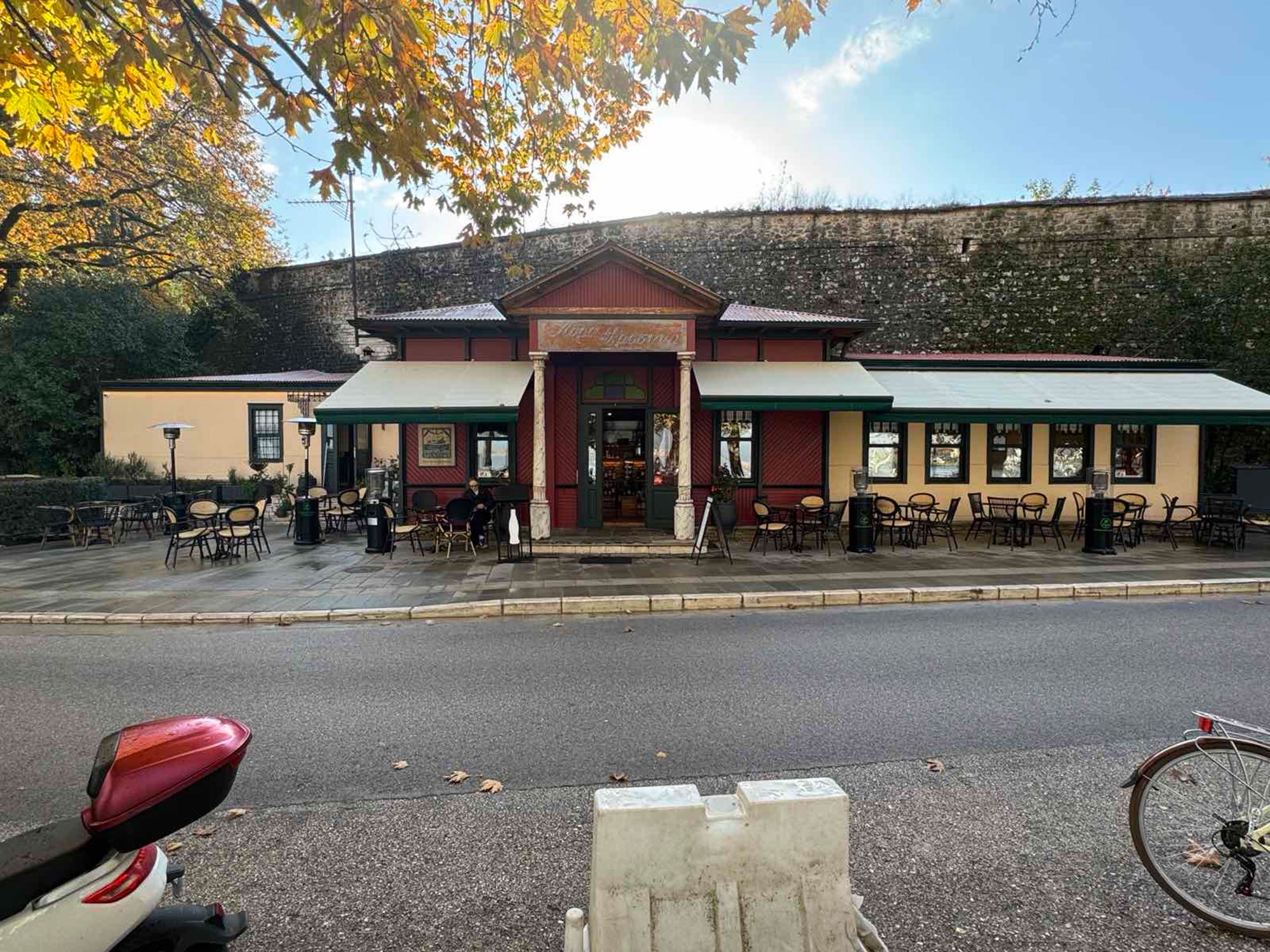 Kyra Frosyni
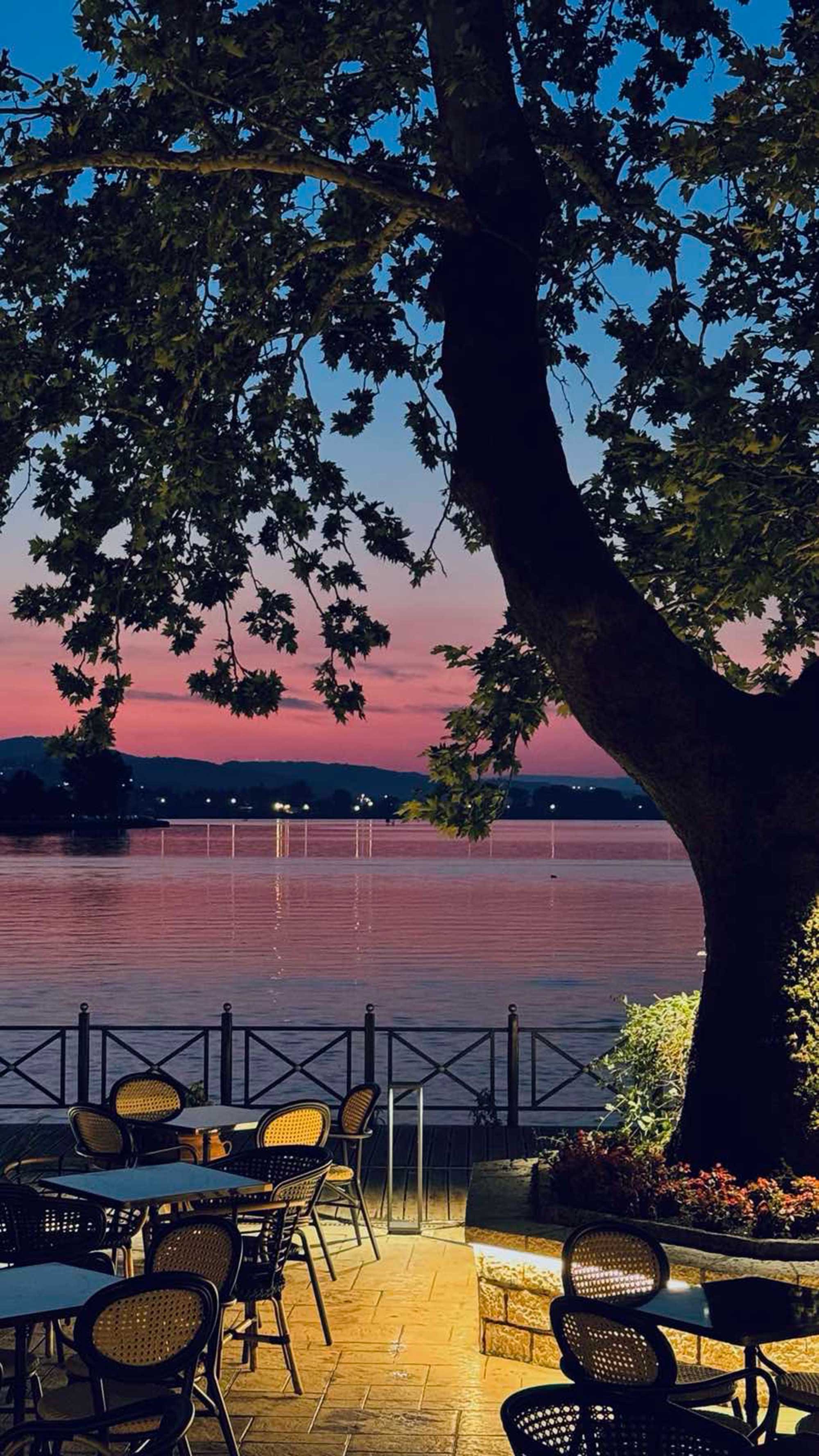 Sunset by the lake at Kyra Frosyni
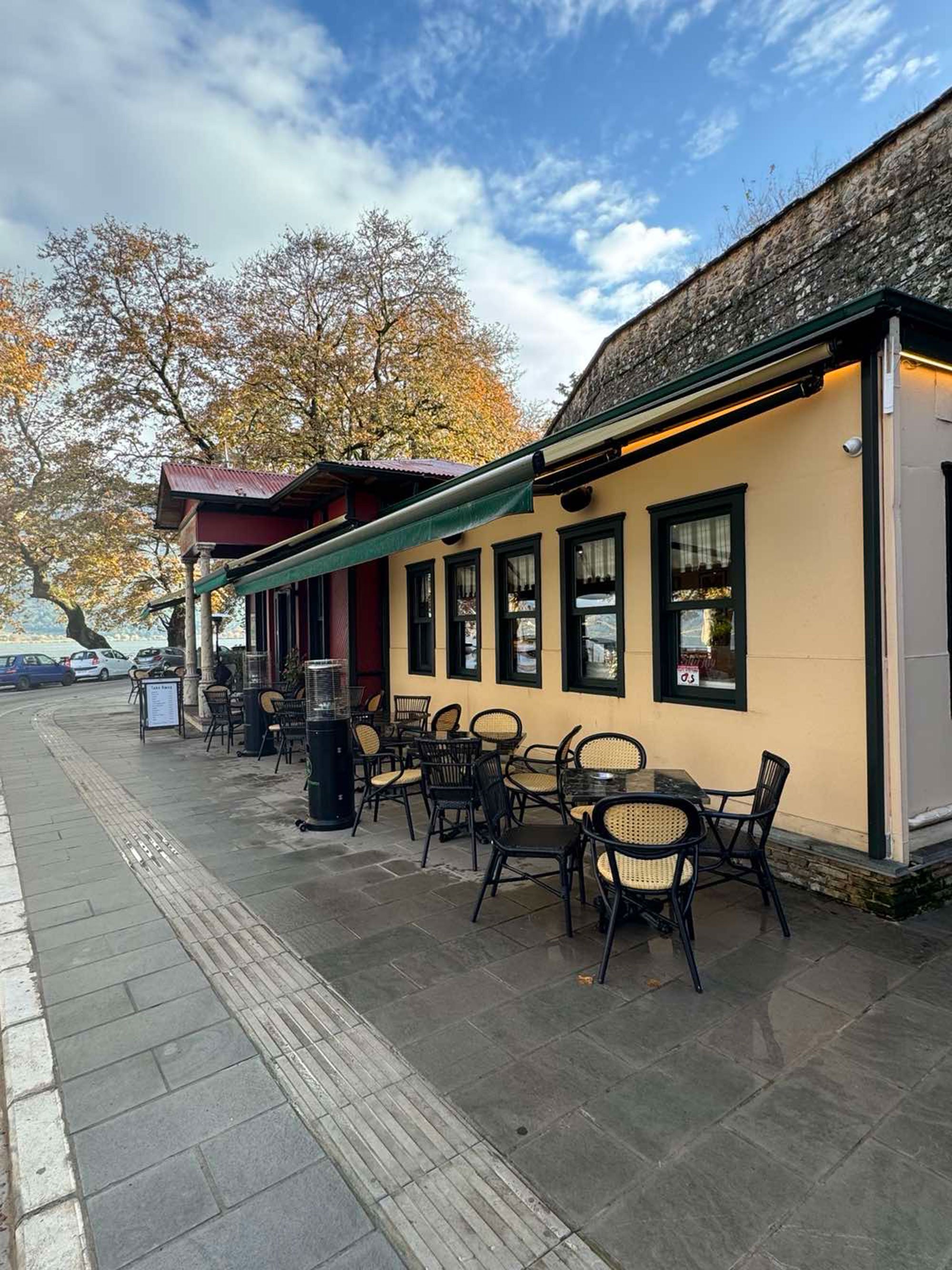 Kyra Frosyni
 Kyra Frosyni