Oasis
‘’Oasis” constitutes an integral part of Ioannina’s cultural heritage.
A building that bears the hallmark of Aris Konstantinidis (1913-1993), one of the most significant representatives of the Greek architectural modernism during the post-war period.
| Location: | Ioannina Central Square |
| Period: | Early 1970s |
| Use: | Cafe - Restaurant |
| Address: | Pyrrhus Square, Ioannina |
The restaurant-cafe was constructed in 1971. Shortly before, the Archaeological Museum—also designed by Aris Konstantinidis—had been erected just a short distance from “Oasis.”
“Oasis” is not merely an element of the city's built environment; it serves as a point of reference for public space, a true landmark.
To a significant extent, the contribution of “Oasis” to the city's character was determined by its location: right on the Central Square.
The central square of Ioannina, officially named Pyrrhus Square, began to take shape in the 1920s based on the city's urban plan. During the Ottoman era, this area housed an Ottoman cemetery, and right next to it stood one of the city's most important mosques, the Namazgah. This mosque was demolished in the 1930s to make way for the administrative building of the then Prefecture of Ioannina (now the Region of Epirus).
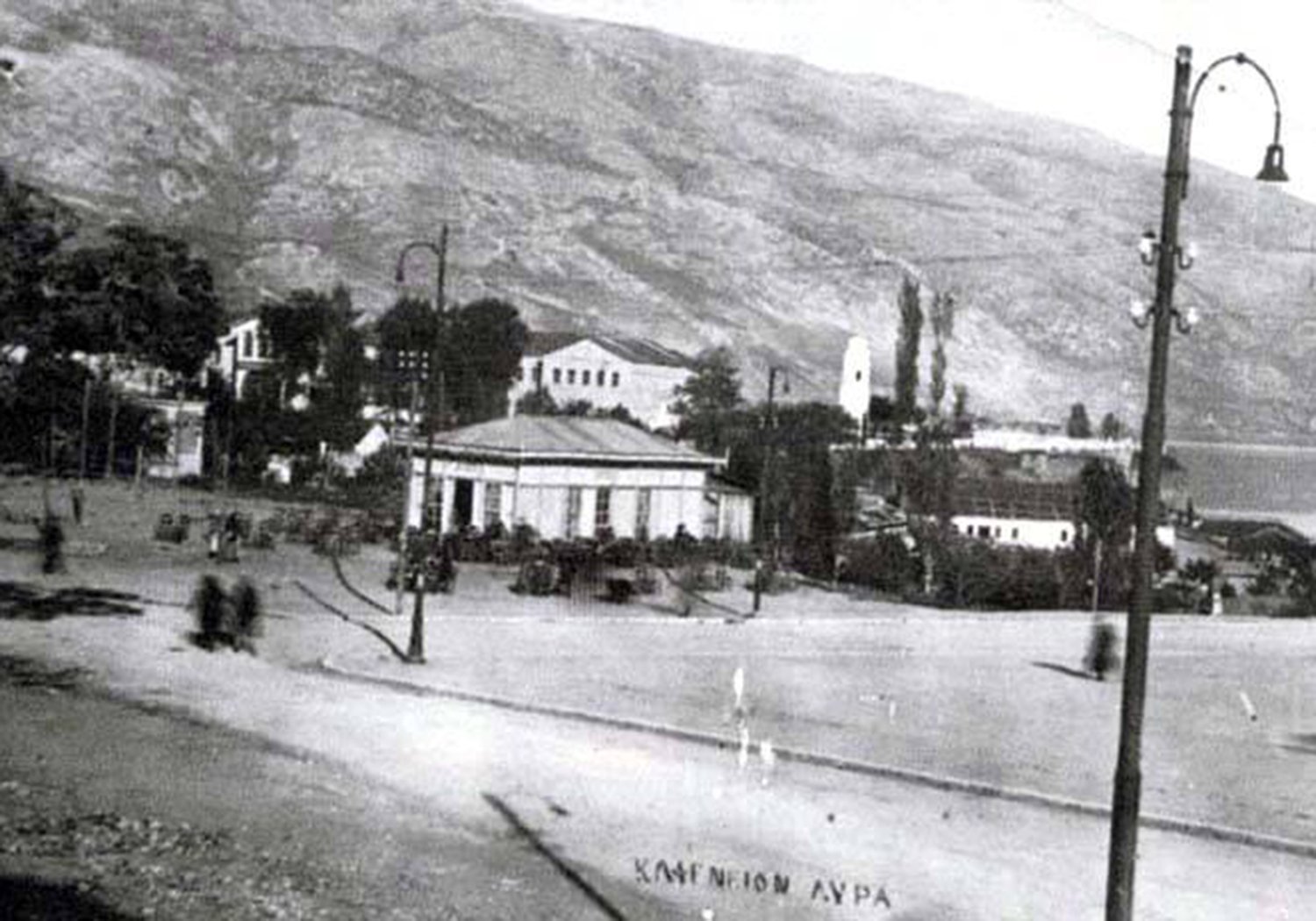
“Avra”
With the initial formation of the square, a small municipal cafe named “Avra” (Breeze) began its operation. Occasionally, an open-air cinema functioned there as well. A national film magazine of the era recorded the following: “Ioannina-Avra: The film ‘Astero’ was screened with satisfactory success, along with a Dag Film newsreel. Operations were suspended due to the cold.’’
In 1931, the Municipality decided to construct a new stone cafe. It is estimated that this cafe was renamed from “Avra” to “Oasis” after the war, during an expansion of the building infrastructure, as the existing municipal cafe no longer met the citizens' needs. As stated in a Municipal Council decision: “The municipal cafe constructed by the central square has, over time and by the necessity of things, ceased to fully serve the citizens and the public, insofar as the building space does not meet expectations and purposes; it requires a certain expansion, which can be achieved by extending the glass partition located to the east.”
In the mid-1950s, the Municipality of Ioannina initiated the plan for the first major redevelopment of the central square. The municipal authority of the time aimed to “create a natural balcony with a view of the lake, to be rendered entirely to the public.”
The new square became a reality a few years later.
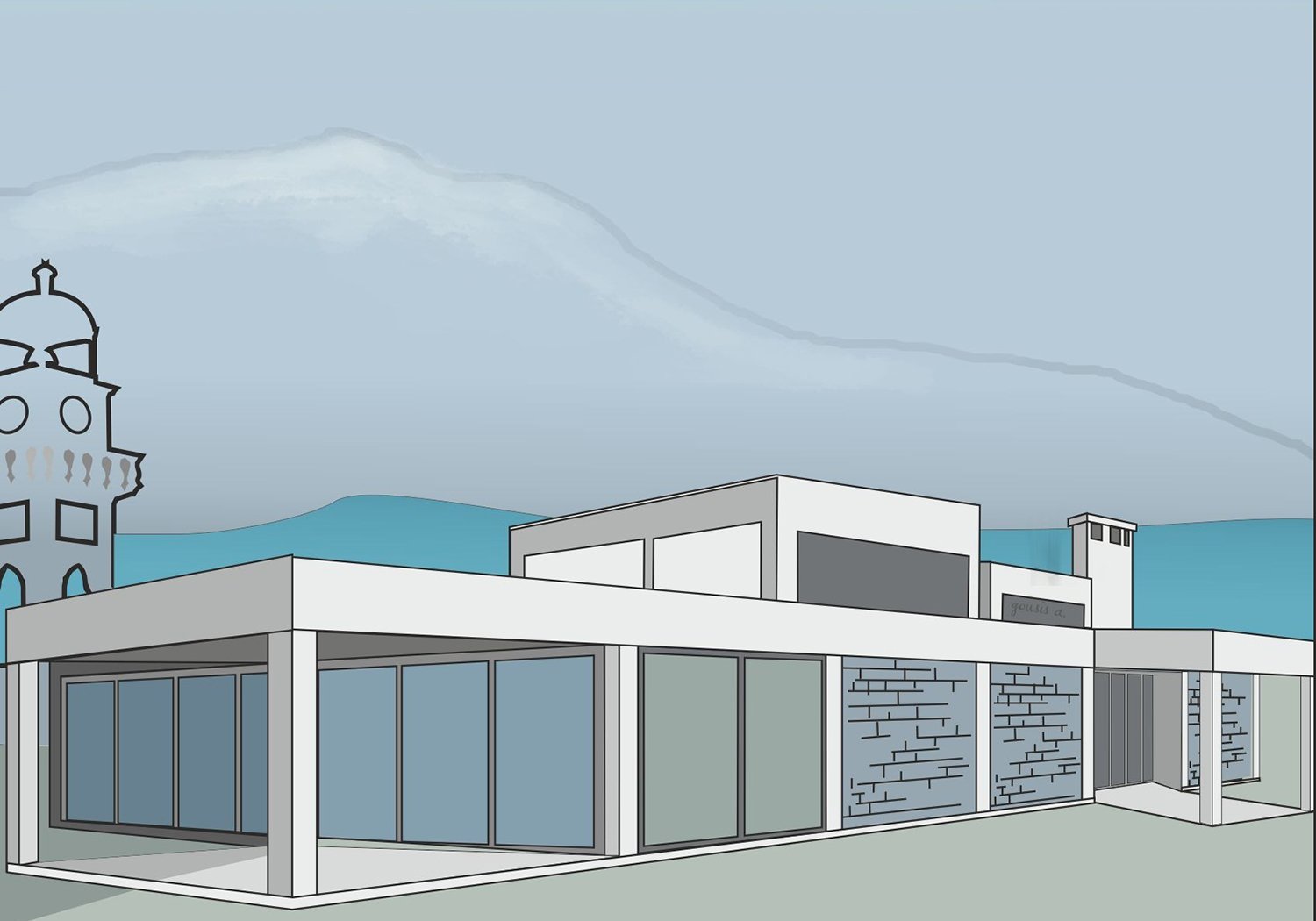
The New “Oasis”
For “Oasis,” a new era began in 1970, with the Junta-appointed municipal authority placing emphasis on beautification projects. The Mayor at the time was Spyros Filippou, who knew Aris Konstantinidis and held his architectural work in high regard
During a Municipal Council session, Filippou stated: “As far as the architectural study is concerned, we must entrust it to an experienced architect. No such person exists in Ioannina. I propose Mr. Aris Konstantinidis, who served as the Director of Architectural Studies for the Greek National Tourism Organization; he knows Ioannina well, has studied the building of our city's State Museum, and I consider him the most suitable candidate.”
Regarding the design of the new “Oasis,” the local press noted: “Based on the preliminary design, the entertainment venue will feature two halls—a restaurant and a cafe-confectionery—each with a capacity of 150 people. Furthermore, the venue will include a lounge and all necessary facilities. The restaurant will be a single-story structure, consisting primarily of ‘glass partitions’.”
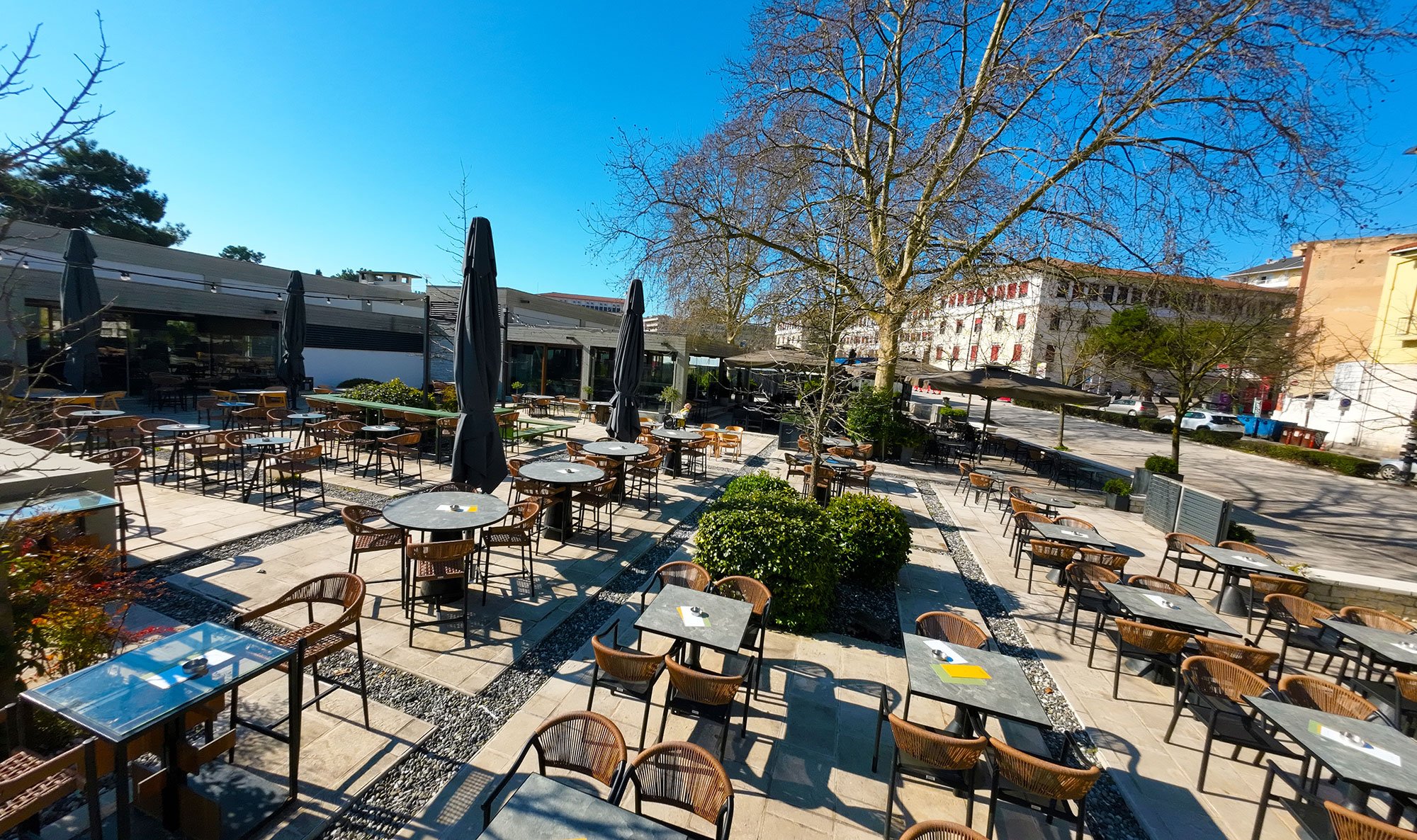
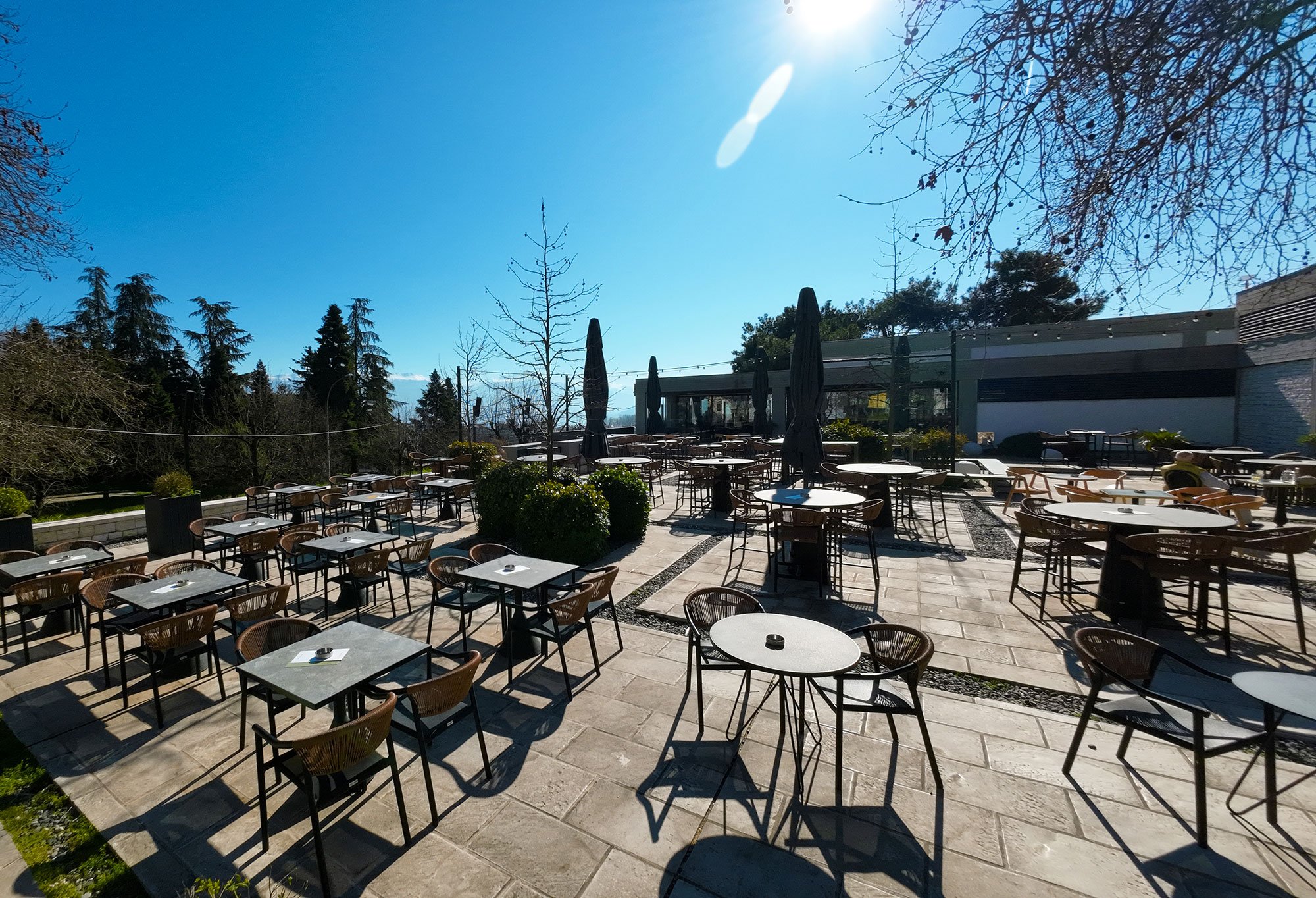
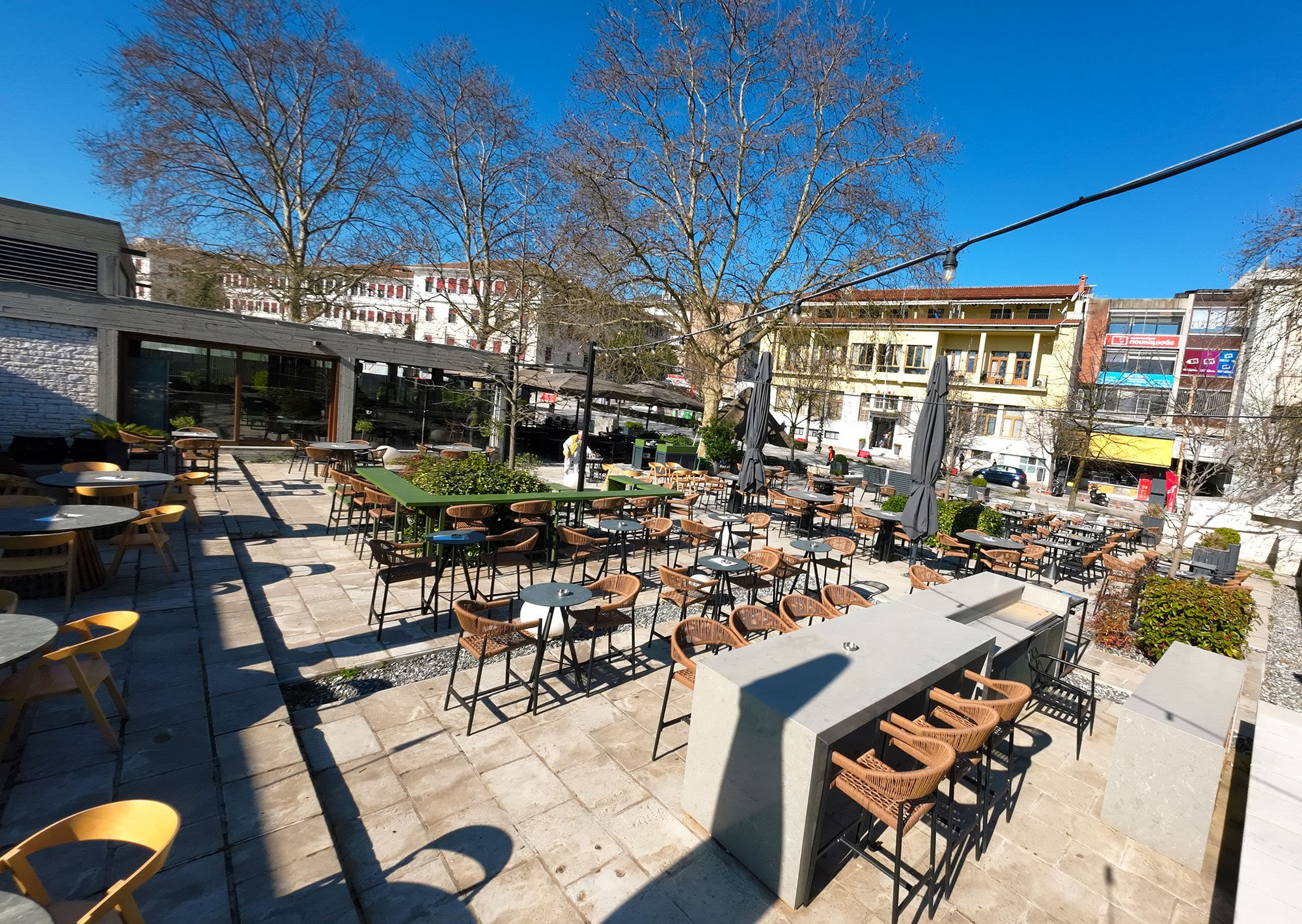
A year later, in 1971, the study was complete. The new “Oasis,” bearing Konstantinidis’ signature, opened its doors in the summer of 1973. A building characterized by an exposed reinforced concrete frame and large glass surfaces, devoid of decorative elements, featuring an interconnection of open, closed, and semi-outdoor spaces, offering views of both the lake and the square.
A building designed in harmony with the natural environment, with a clear intention not to “compete” with the public space—but rather to expand it—and with the aim of being in “dialogue” with the Archaeological Museum, with which “Oasis” shares a typological affinity. Aris Konstantinidis was the man who essentially put Ioannina on the map of architectural modernism.
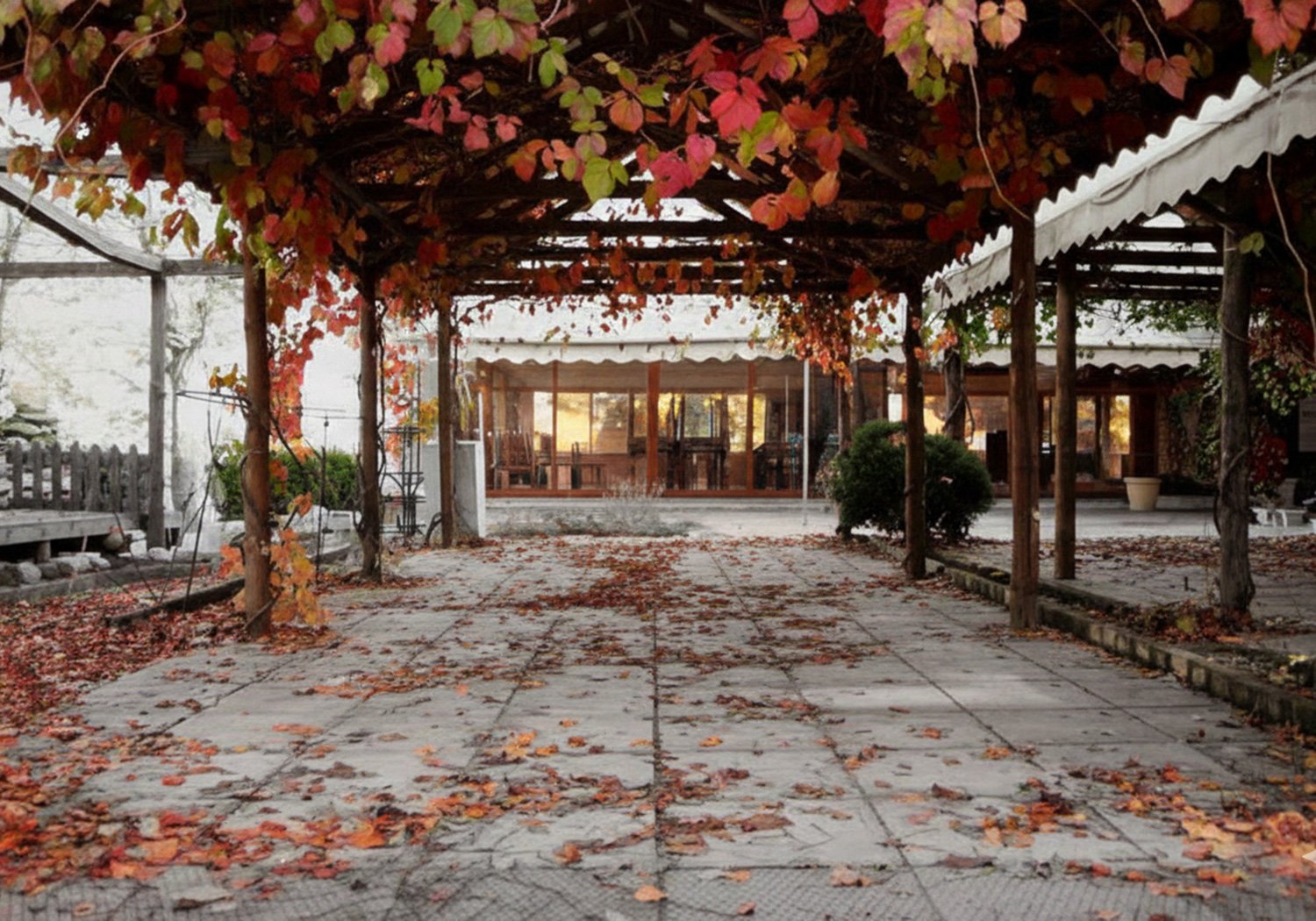
The Building's Journey Through Time
Ιn its new form, the restaurant-cafe continued to be an important site for social gathering and entertainment.
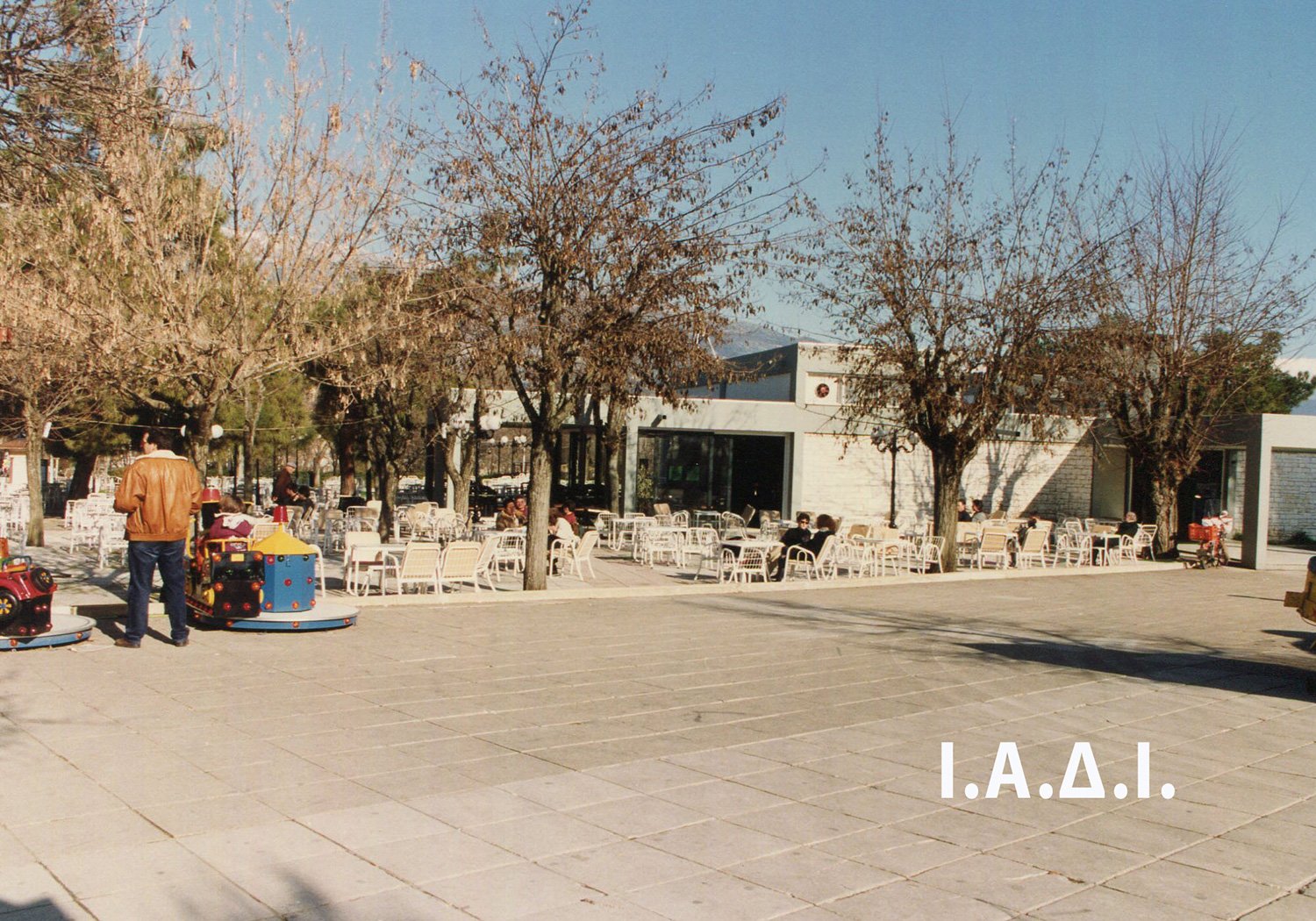
However, signs of decay and neglect in the “Oasis” building began to appear and intensify during the 1990s. As the city's entertainment landscape shifted and socio-economic conditions changed, “Oasis” started to take on a different character. Various private tenants over time carried out interventions that aligned neither with the building's architecture nor its social dynamics.
In 2003, “Oasis” was designated as a listed monument by the Ministry of Culture, following a request from local institutions and civic groups. After this development, and with the passage of time, the city re-evaluated the significance of “Oasis” within the urban landscape, as well as the new role it should assume as a modern monument.
Today, the restaurant-cafe is managed by the City of Ioannina’s Development Company for Assets (DIANETAI), which leases it to a private operator.
Audio file
Building history
Gallery
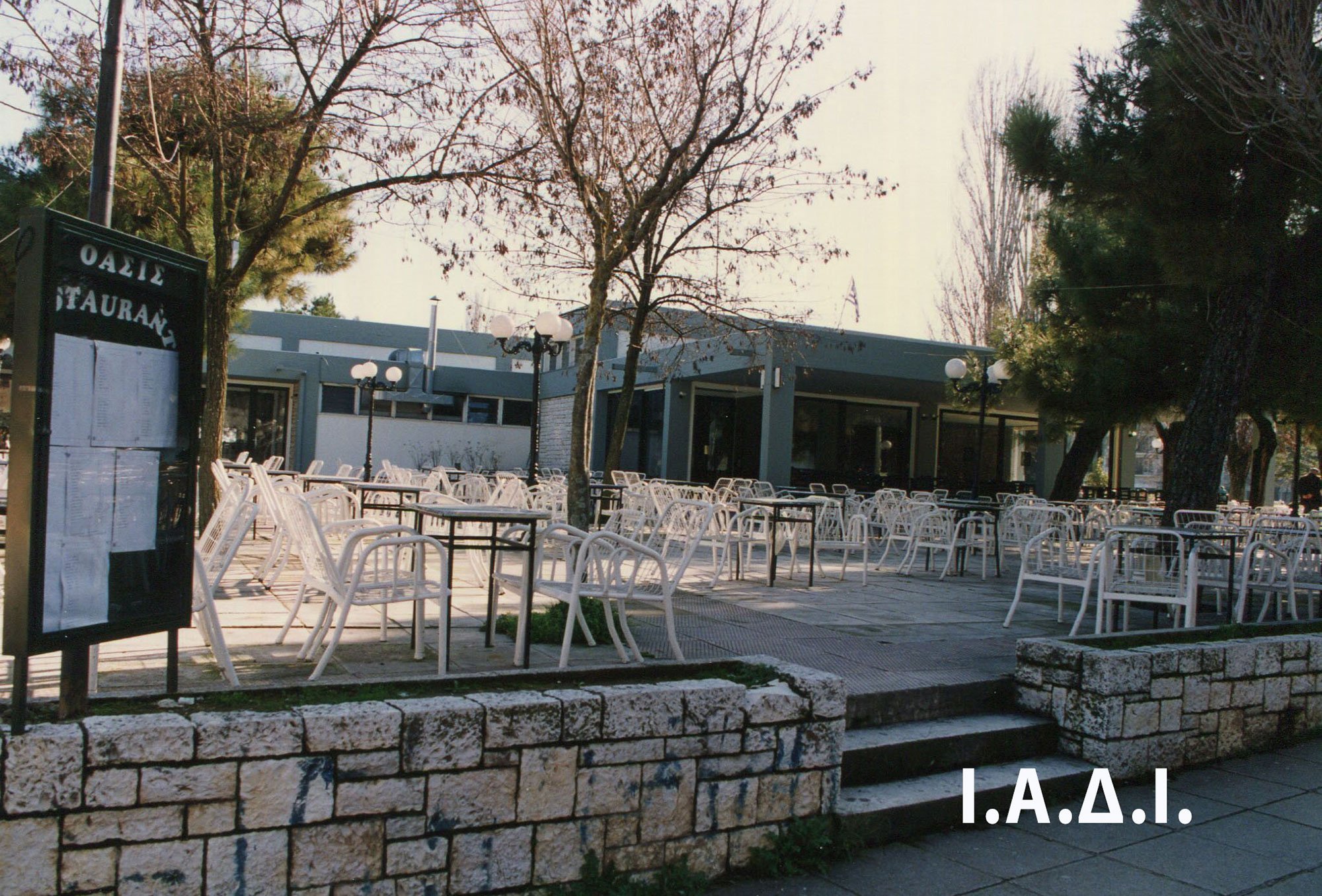 “Oasis” during the 1995-1999 period (Historical Archive of the Municipality of Ioannina)
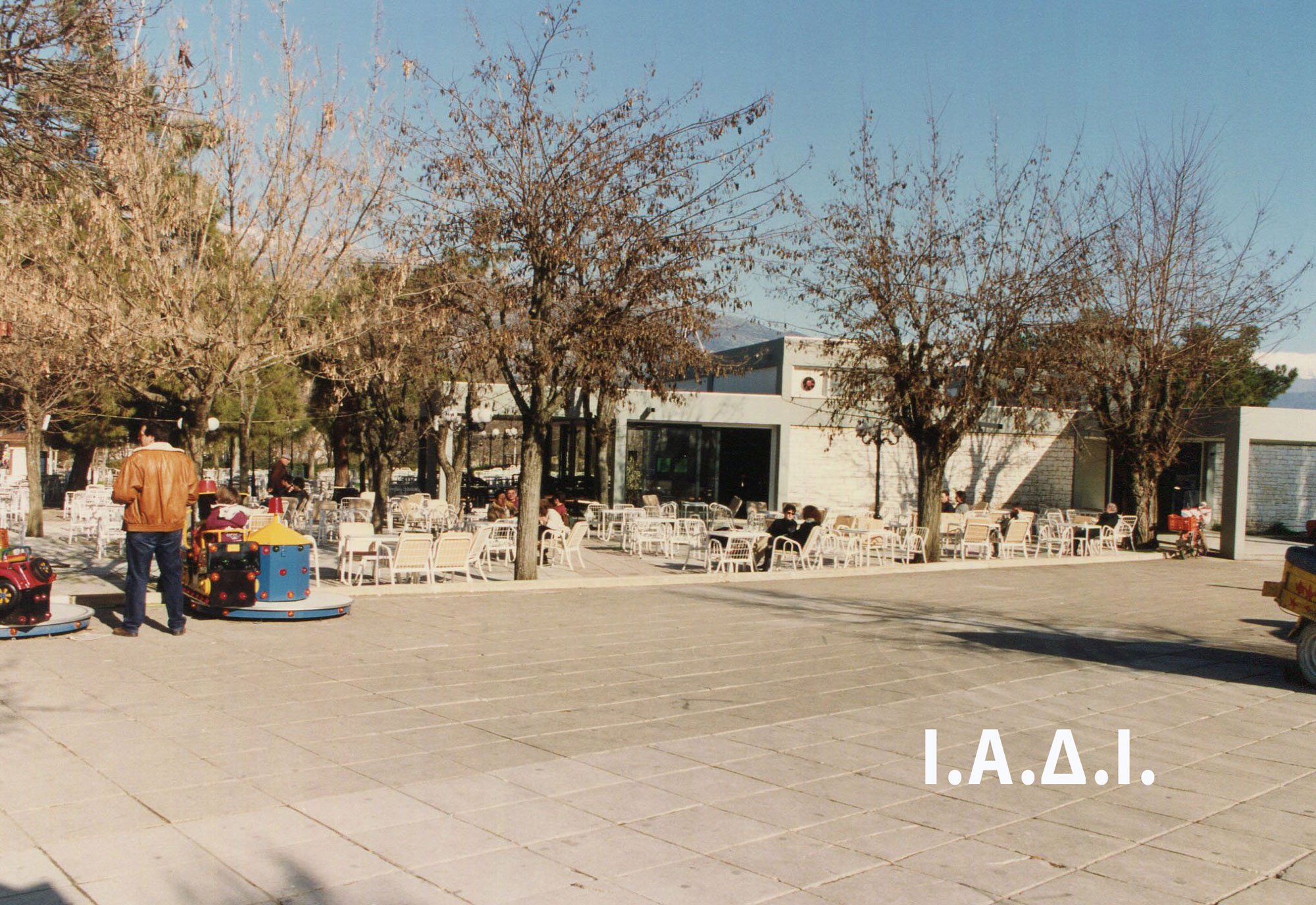 “Oasis” during the 1995-1999 period (Historical Archive of the Municipality of Ioannina)
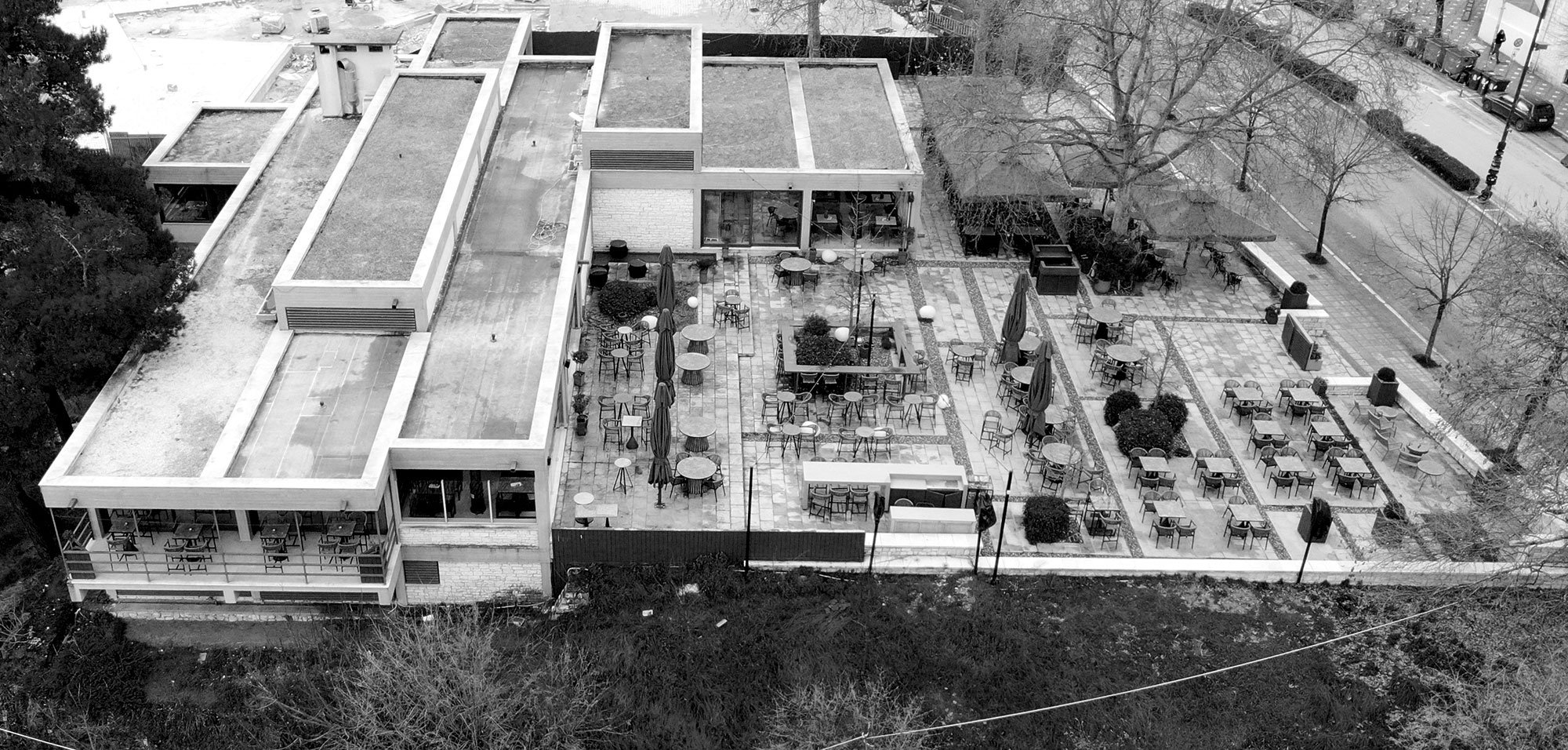 "Oasis" – Black and white photo
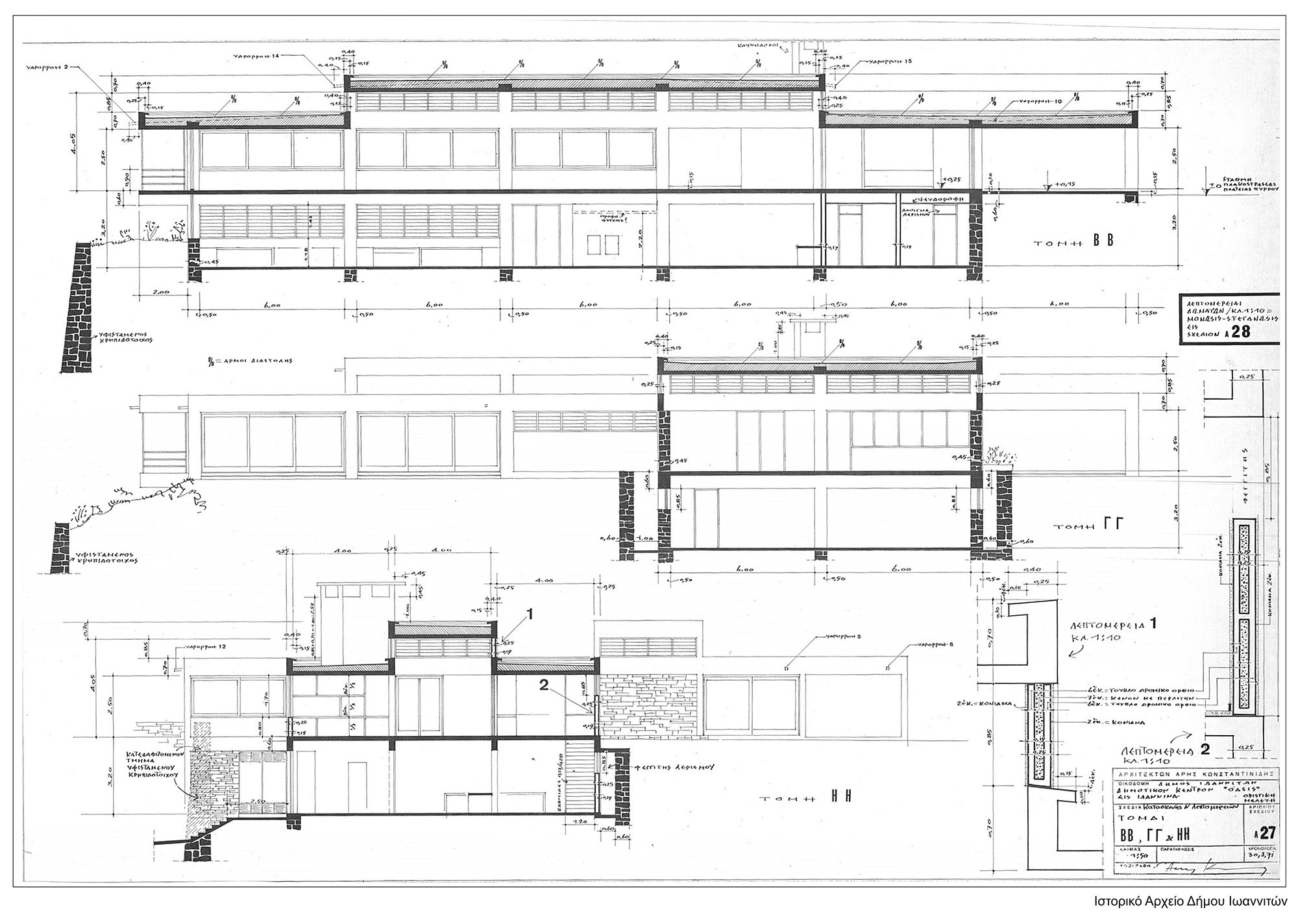 Design of "Oasis" by Aris Konstantinidis (Historical Archive of the Municipality of Ioannina)
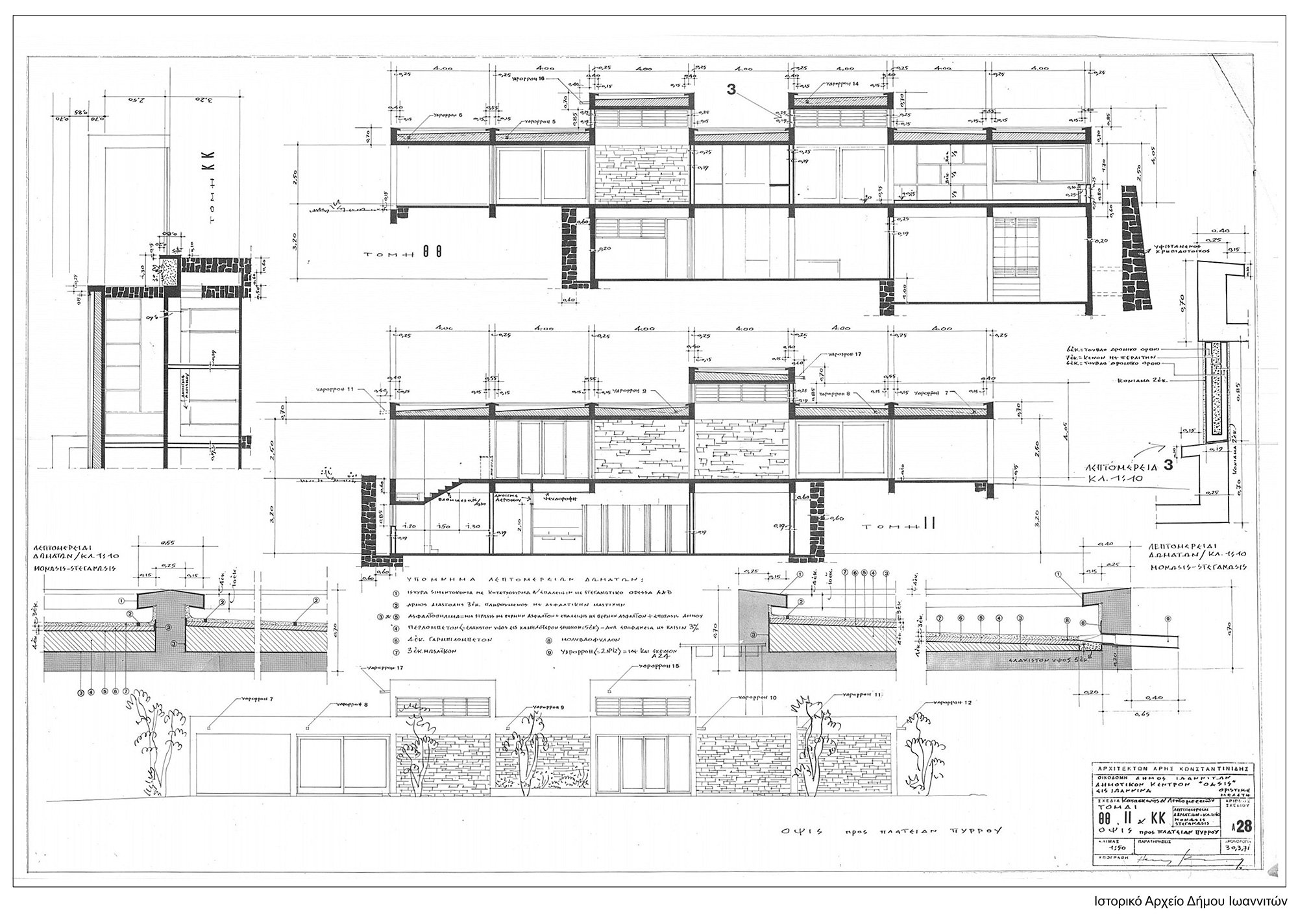 Design of "Oasis" by Aris Konstantinidis (Historical Archive of the Municipality of Ioannina)
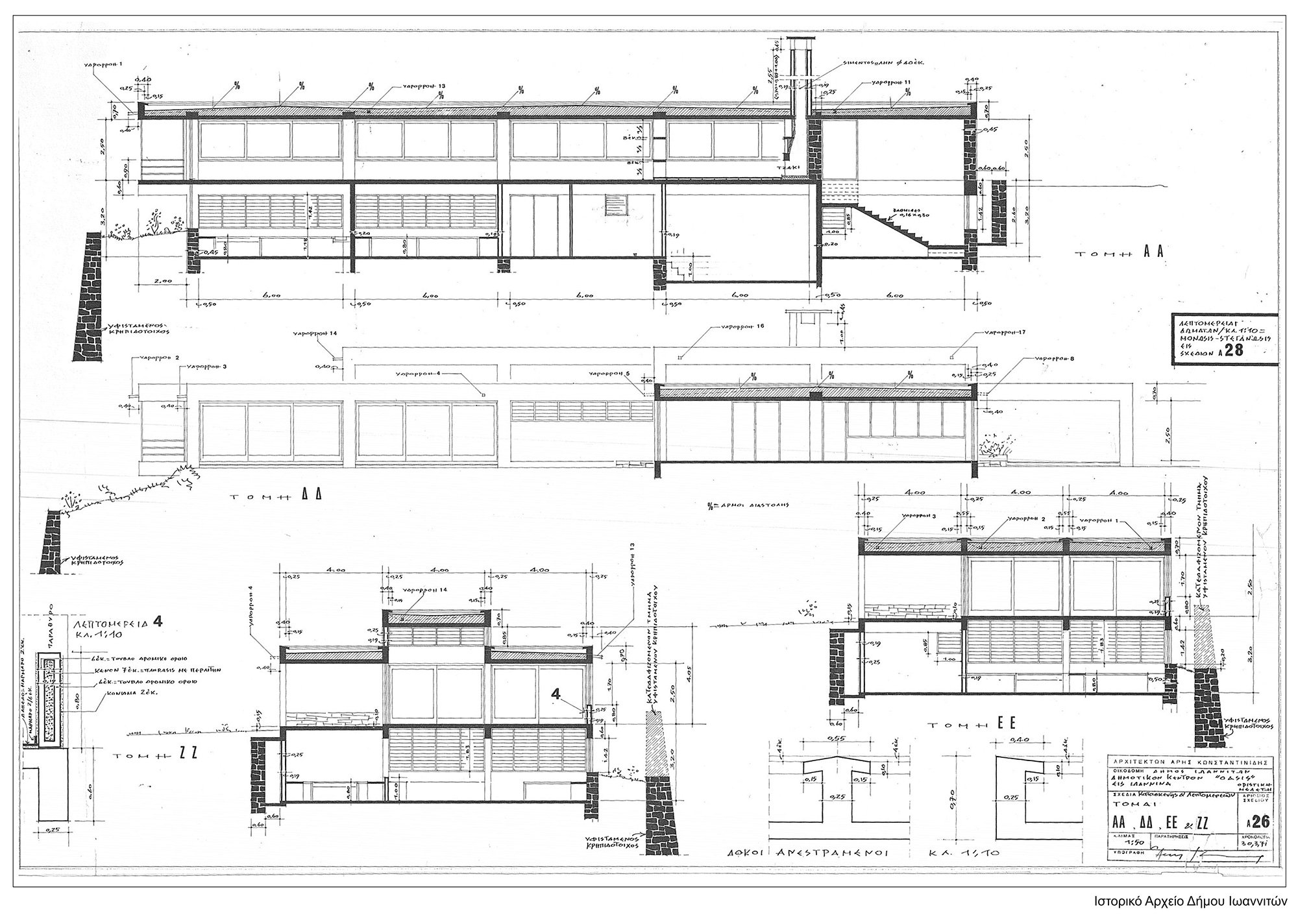 Design of "Oasis" by Aris Konstantinidis (Historical Archive of the Municipality of Ioannina)
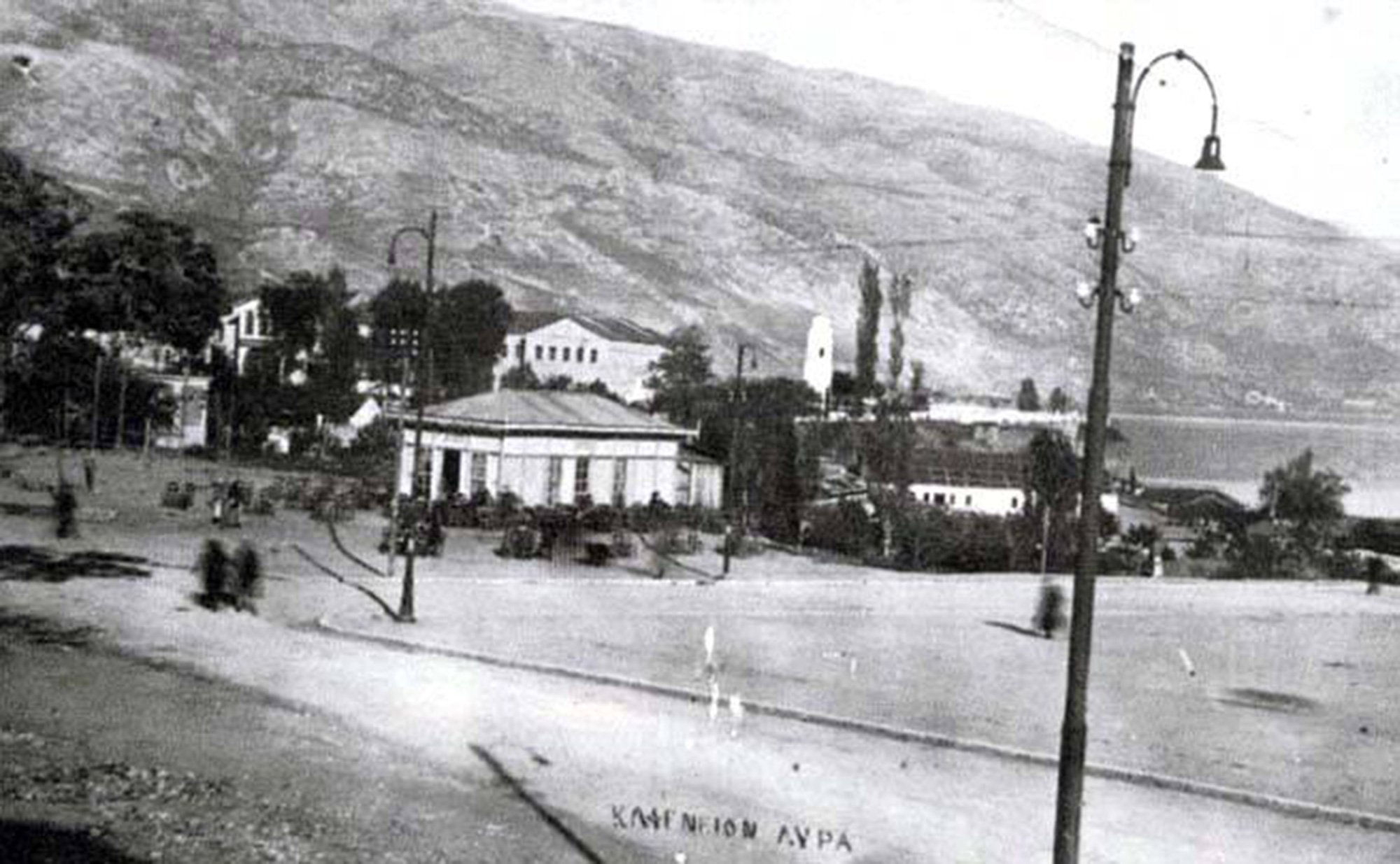 The "Avra" cafe on an interwar postcard, likely in the early 1920s
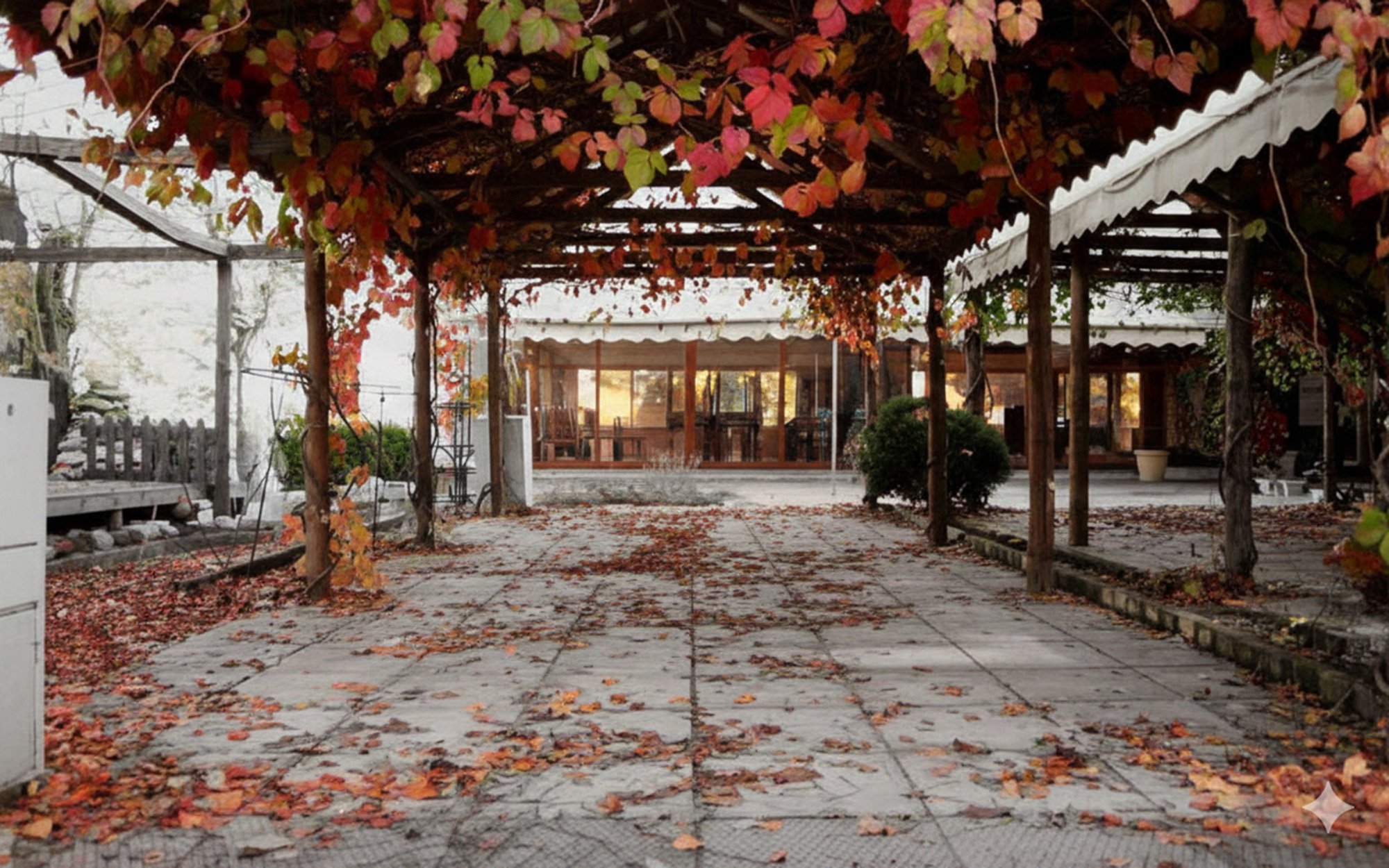 "Oasis" in the early 2000s
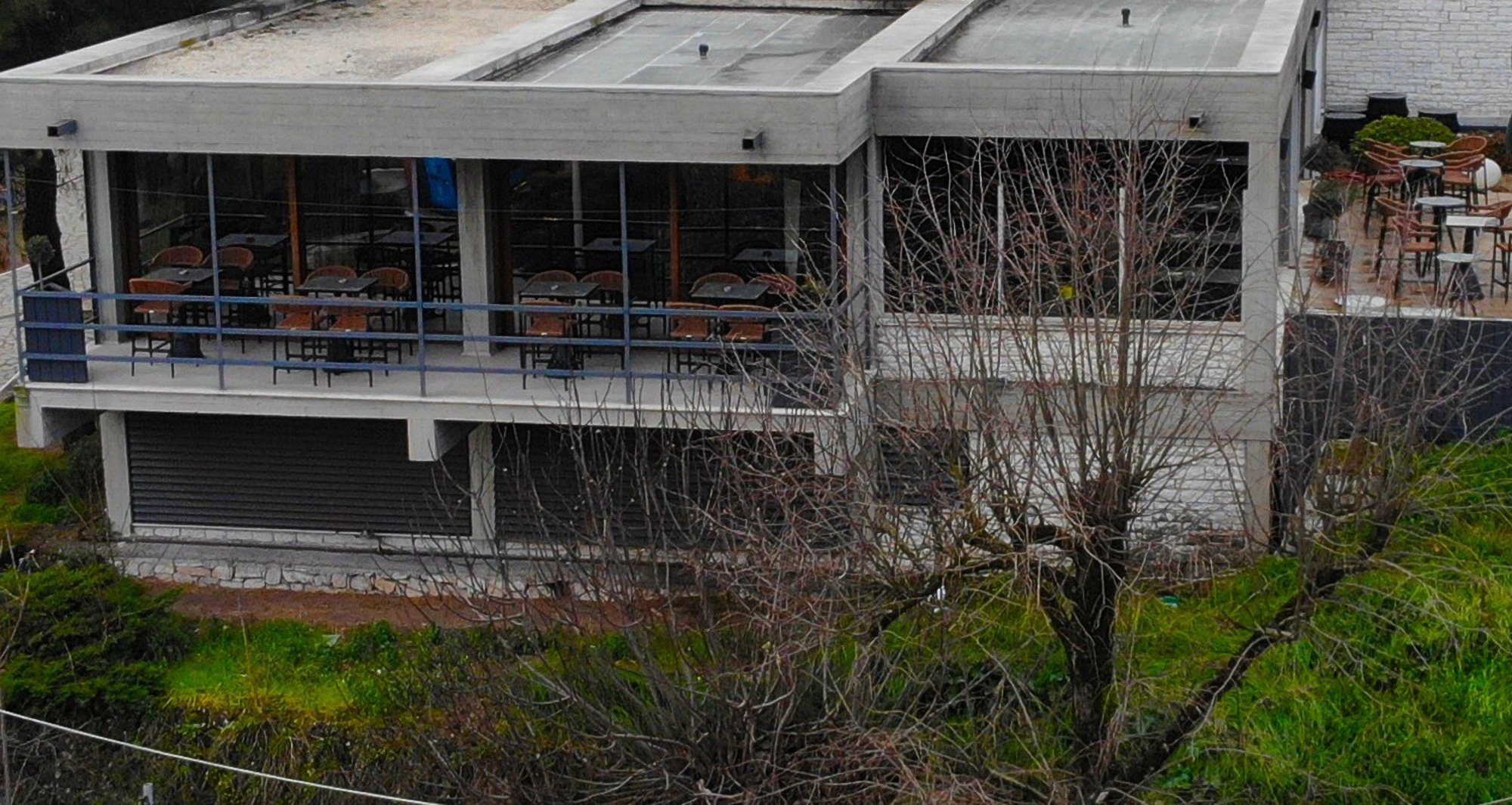 The balcony of "Oasis"
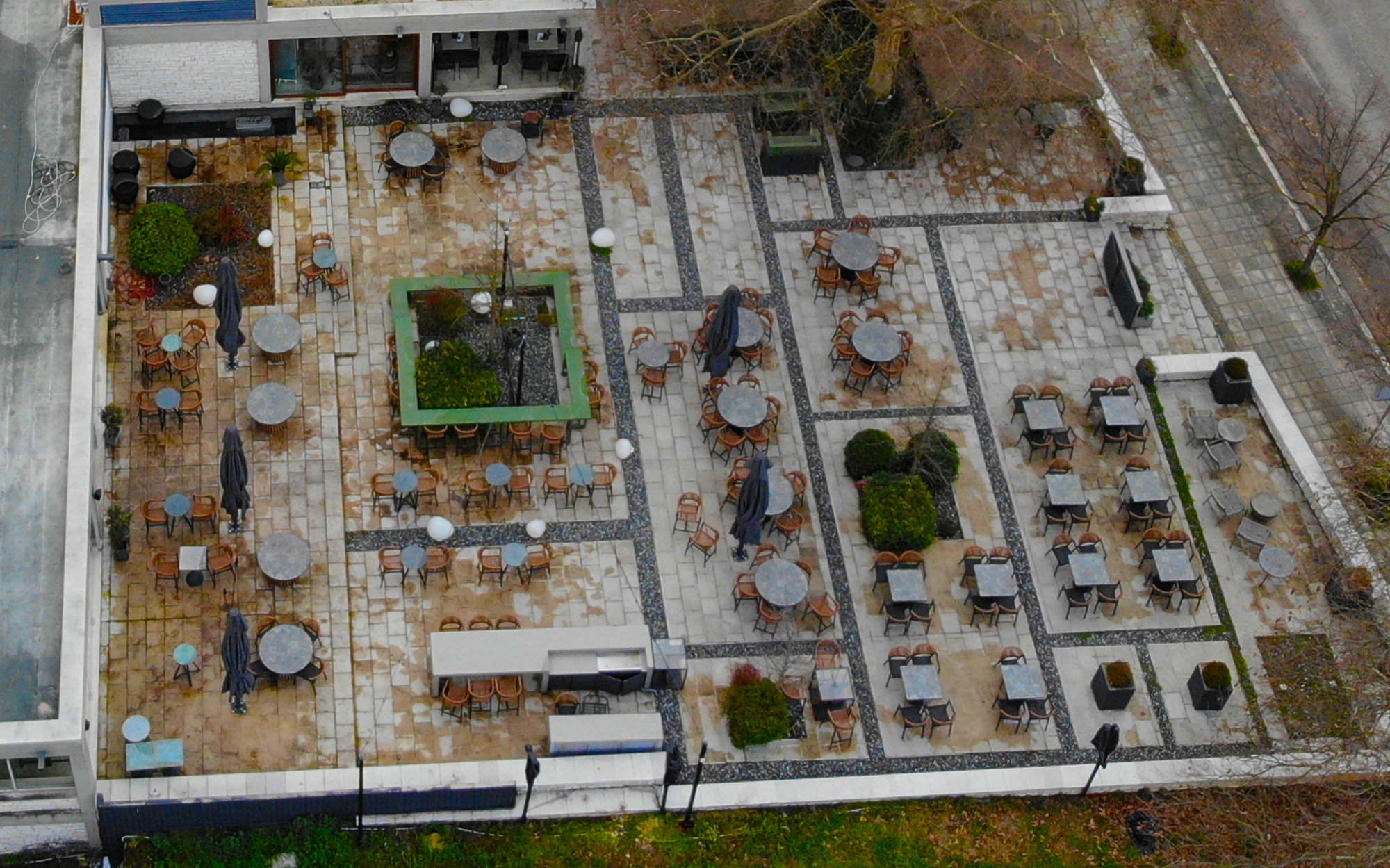 Aerial view of "Oasis"
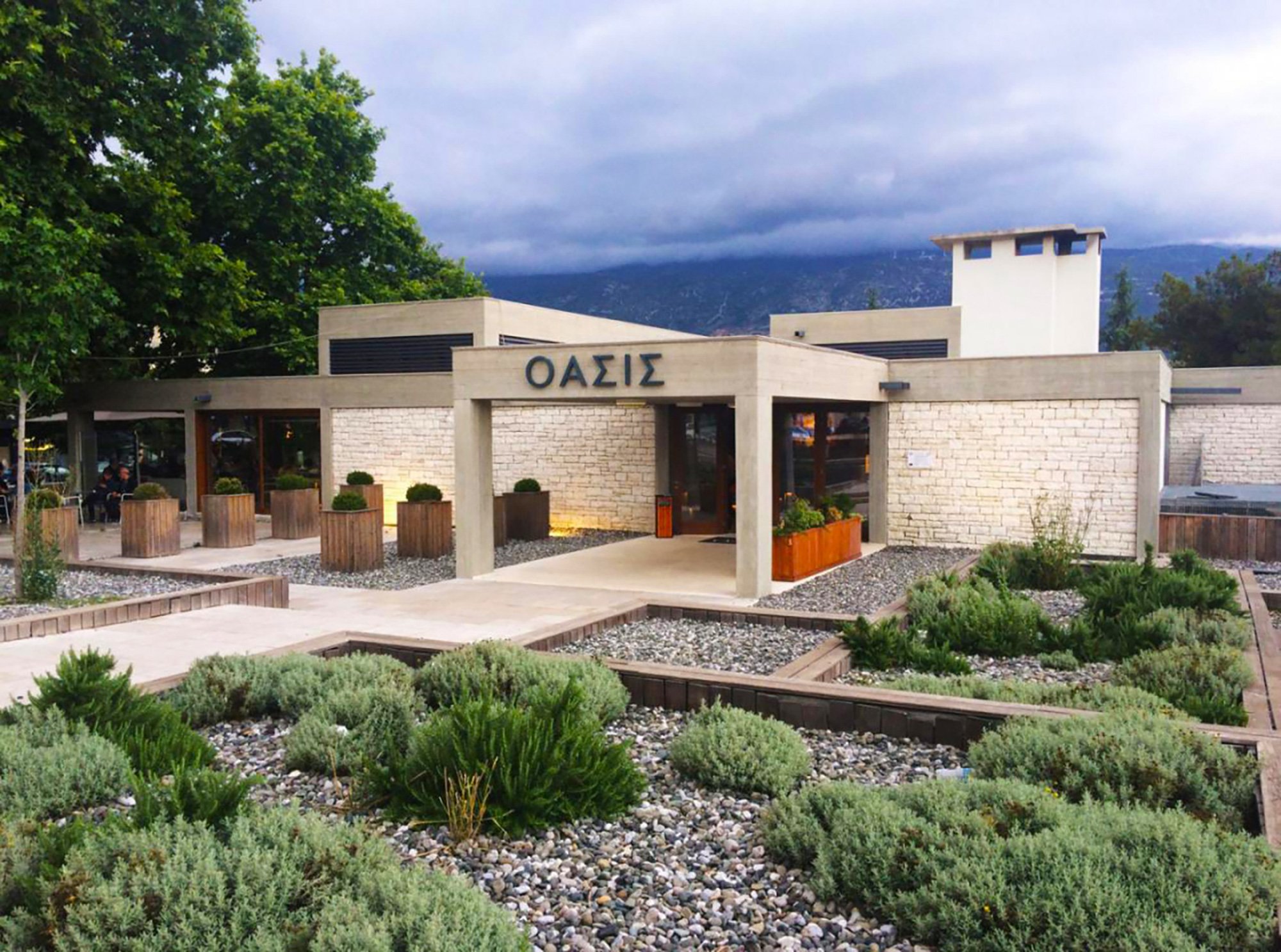 Entrance
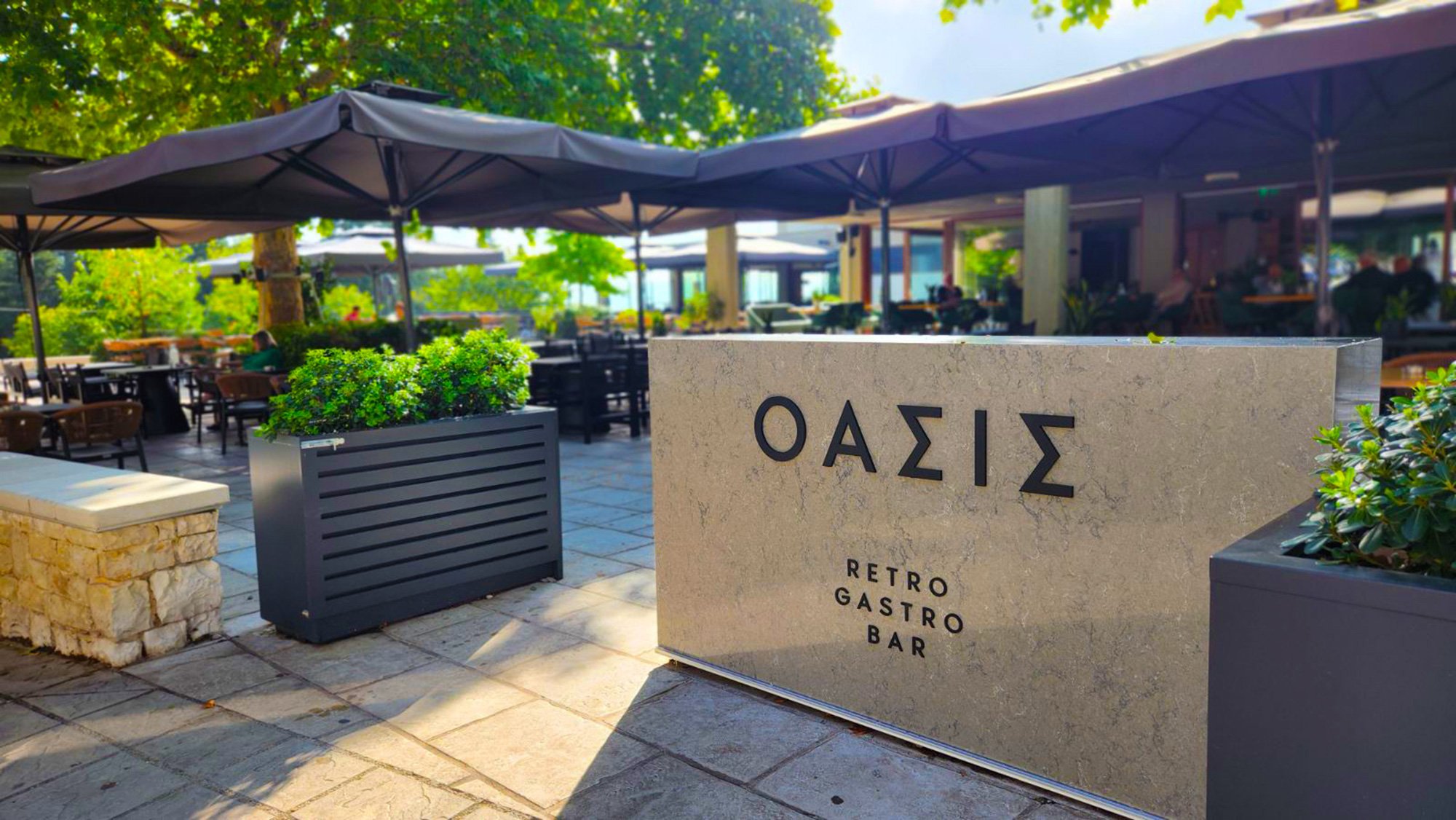 Oasis – New Entrance
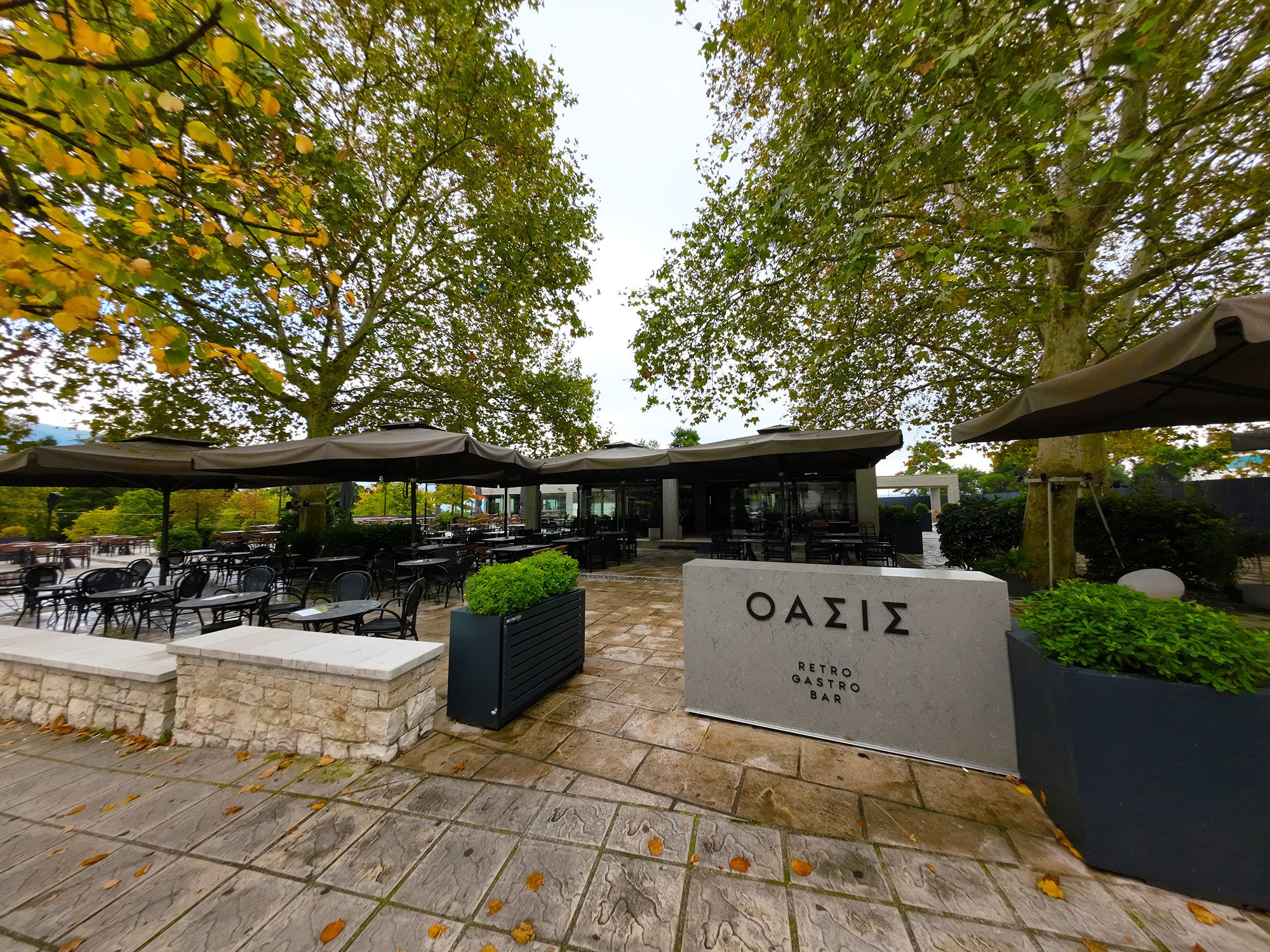 Oasis – New Entrance
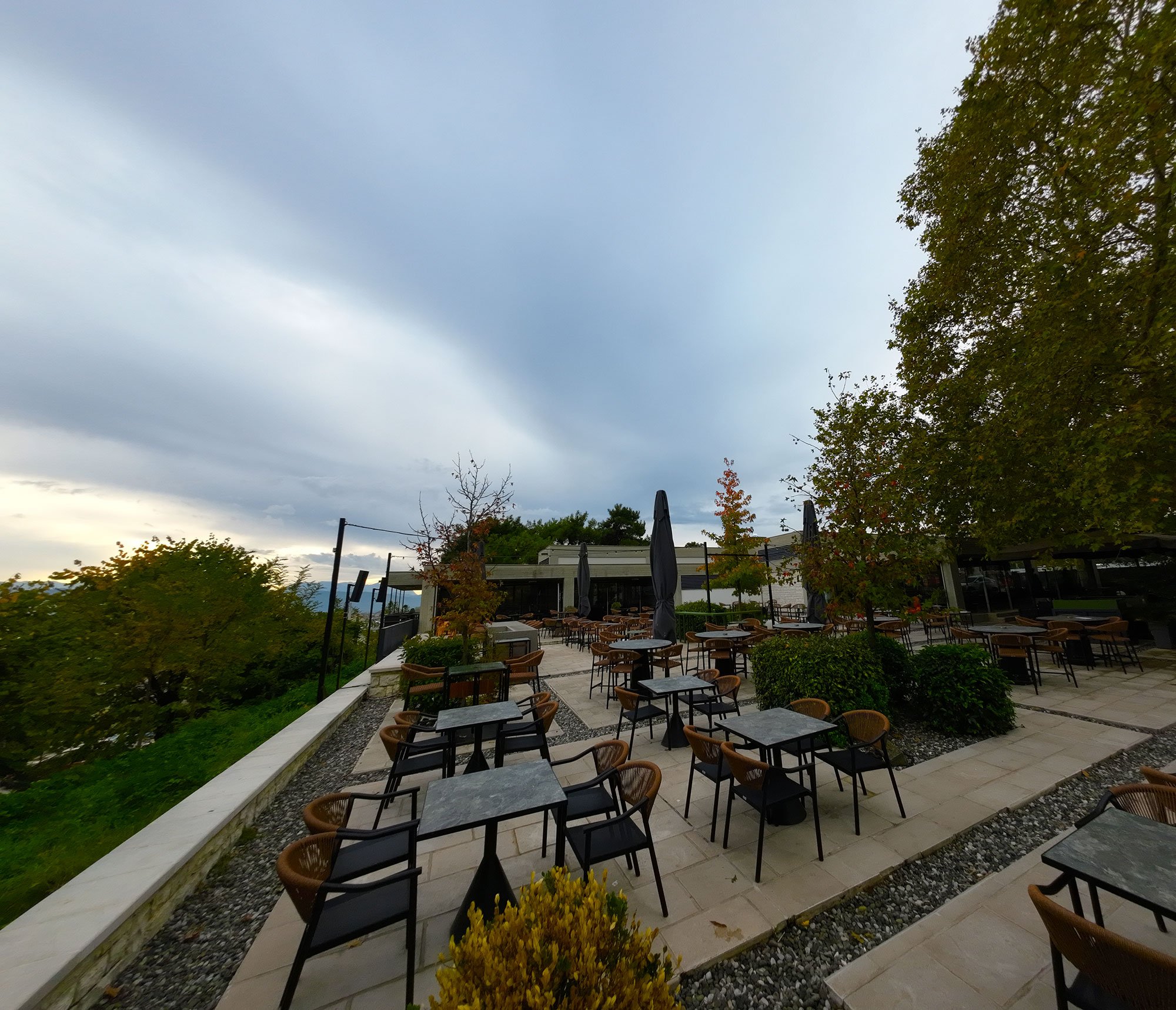 Oasis
Oasis
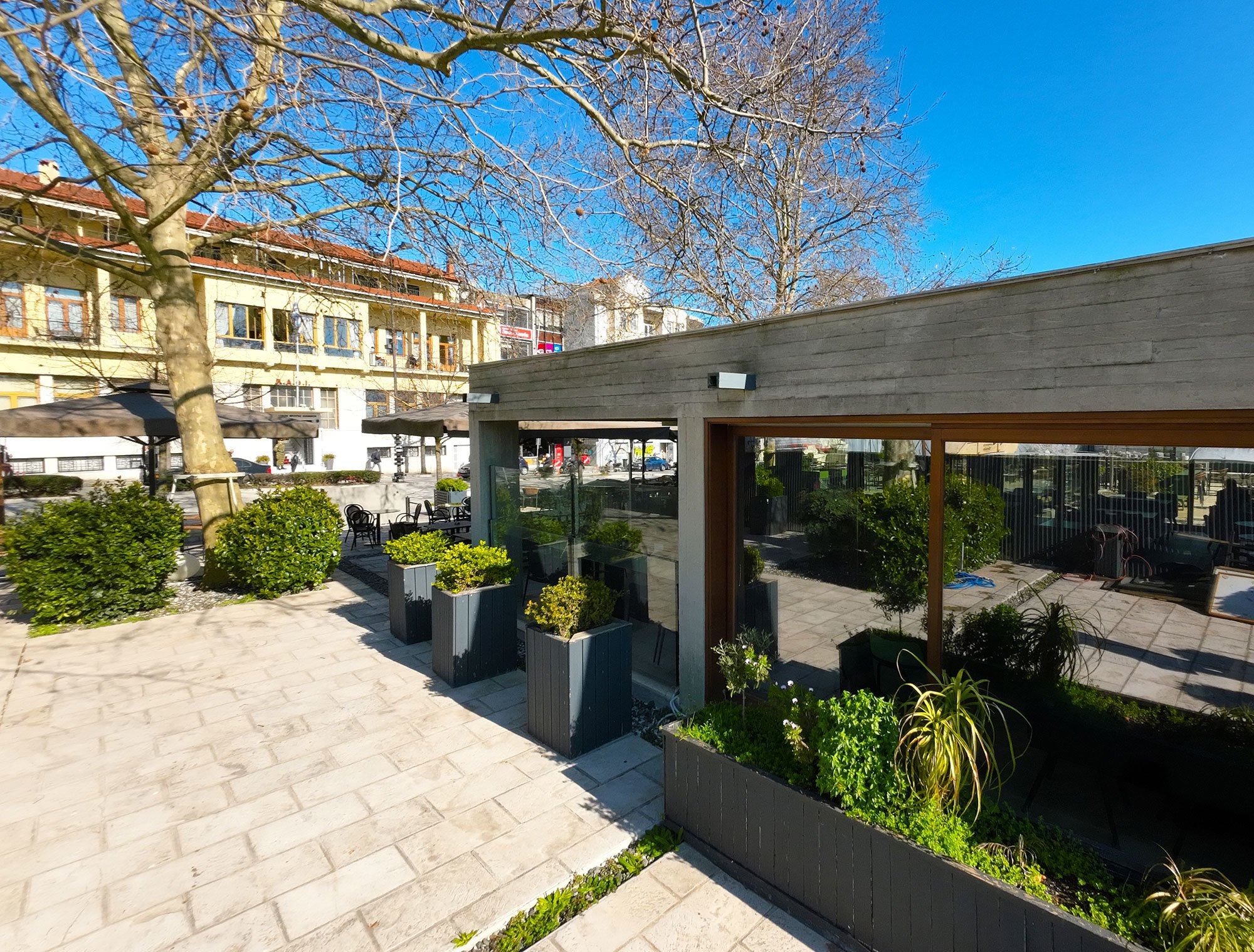 Oasis
Oasis
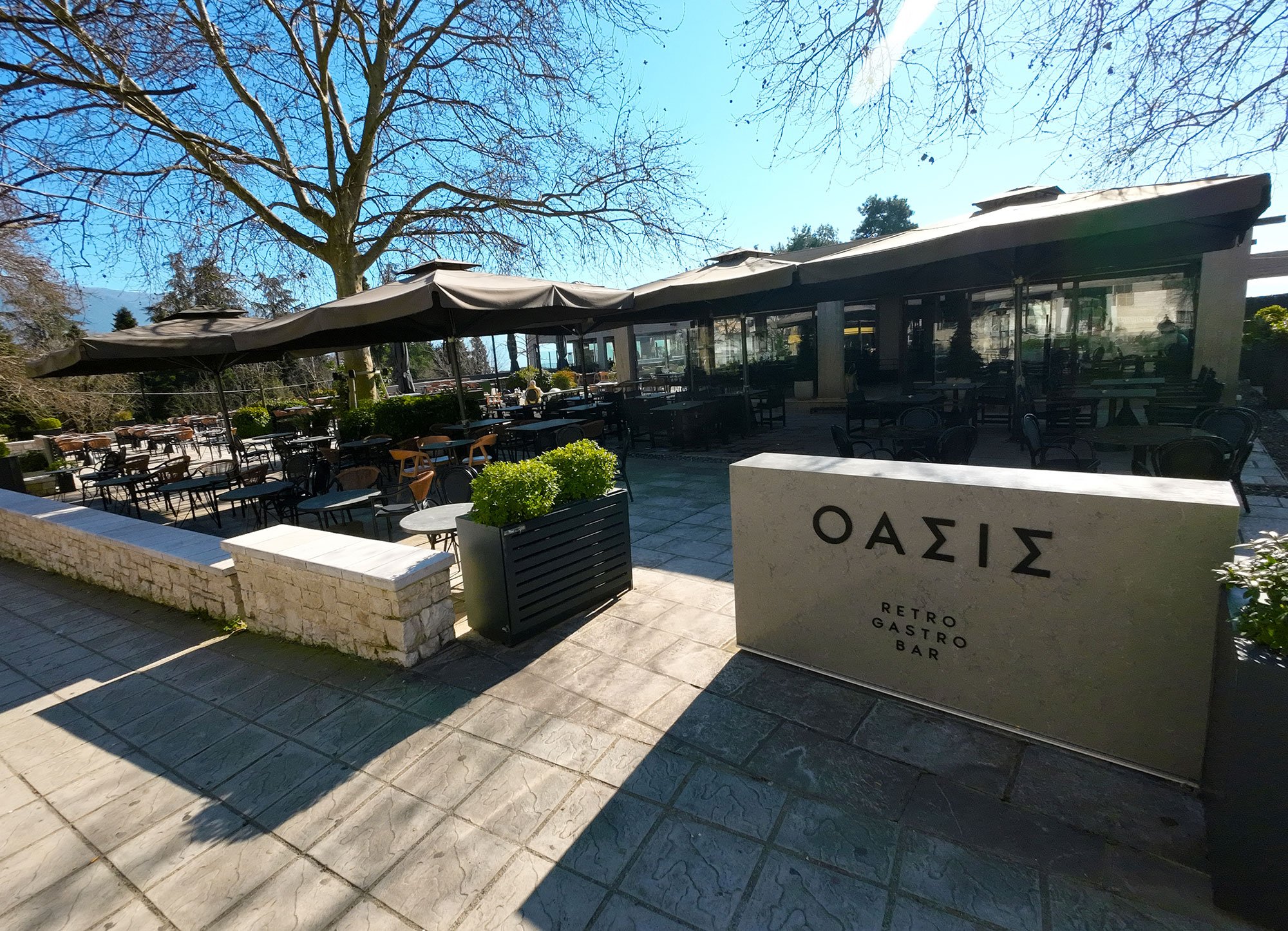 Oasis
Oasis
 Oasis
Oasis
 Oasis
Oasis
 Oasis
Oasis